English
 Español
Categories
Contacts

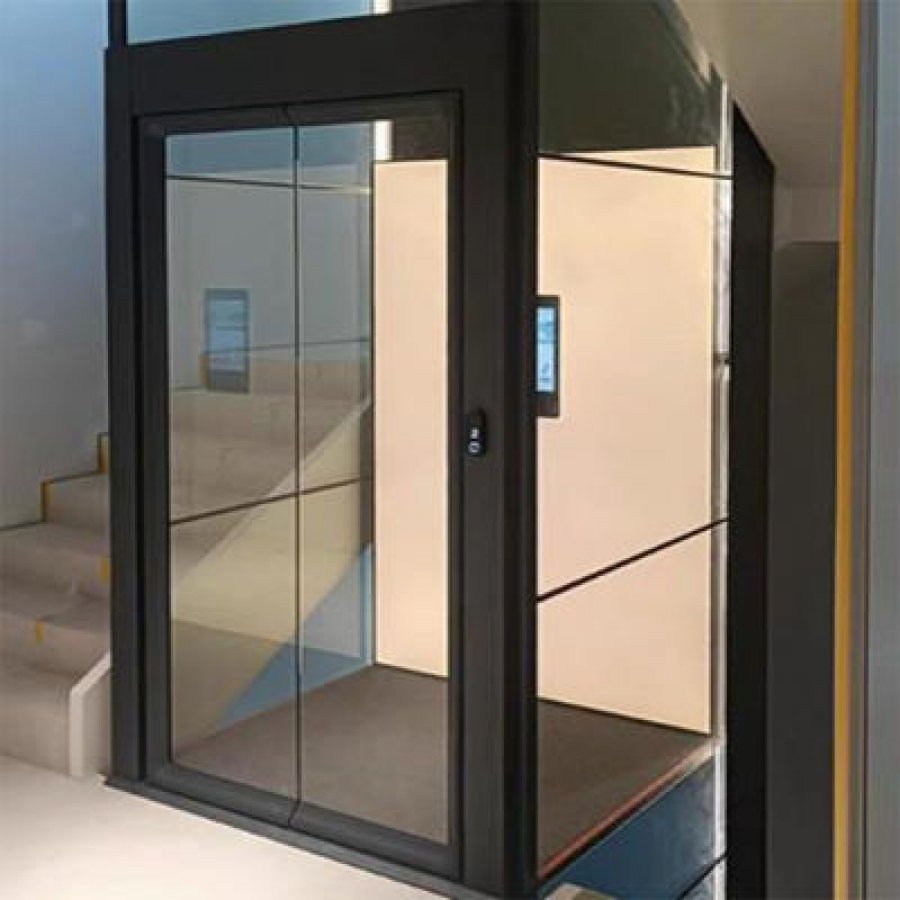
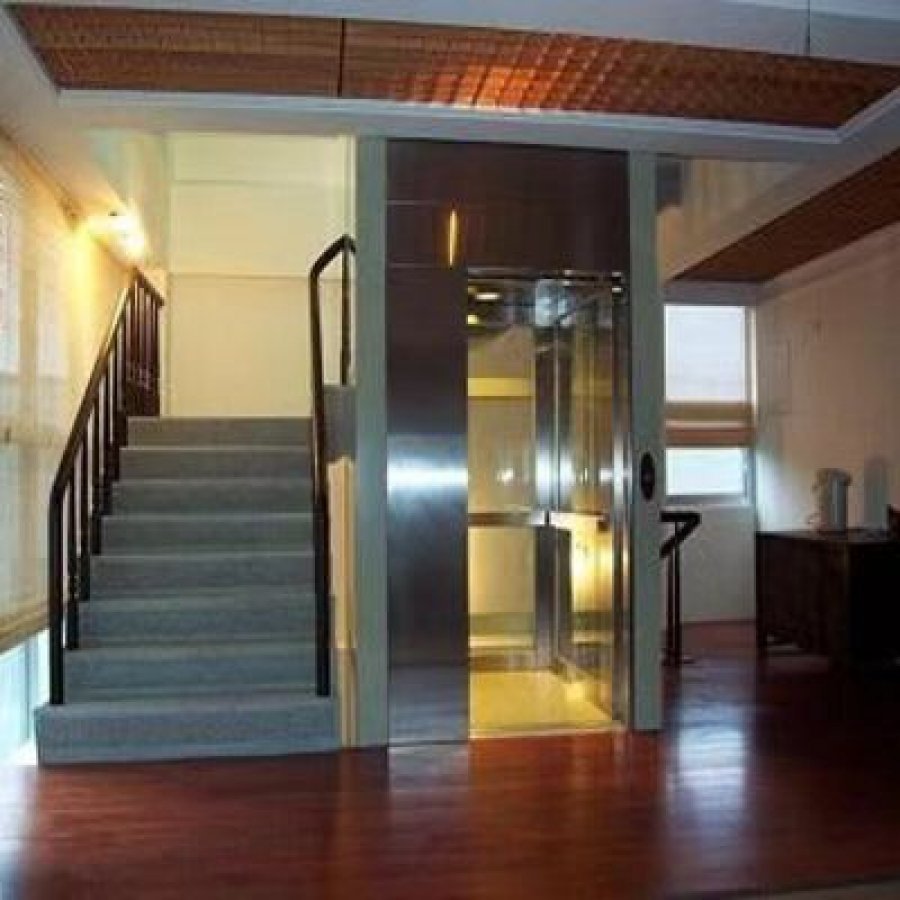
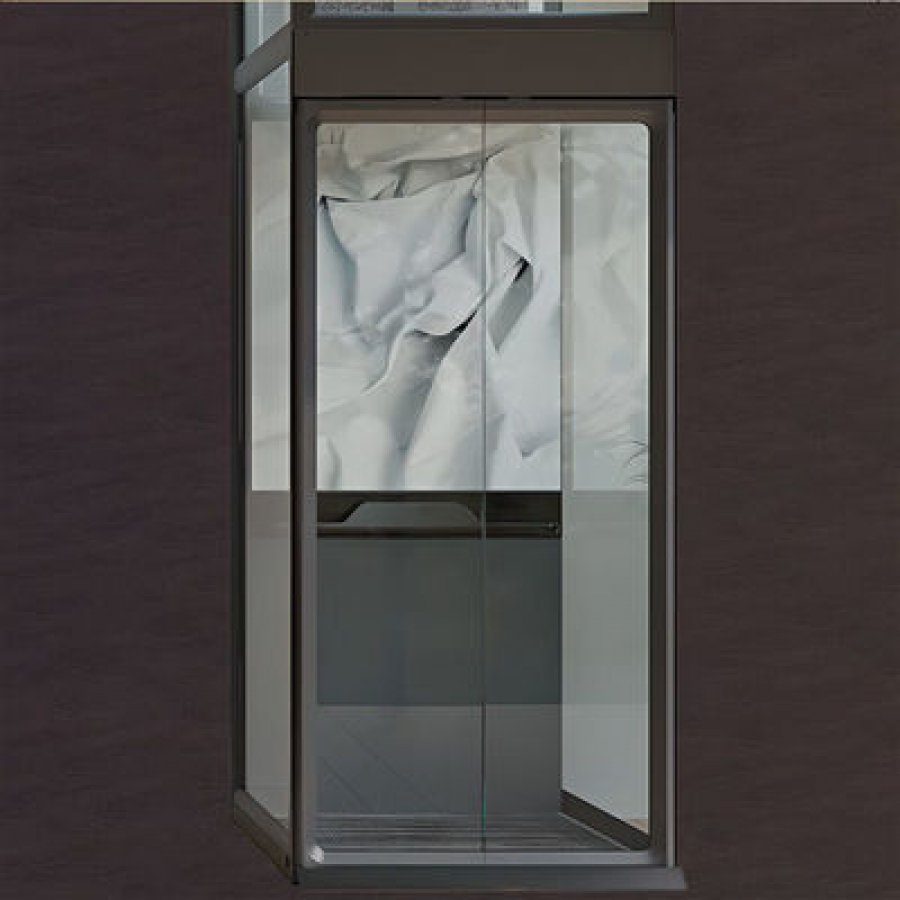
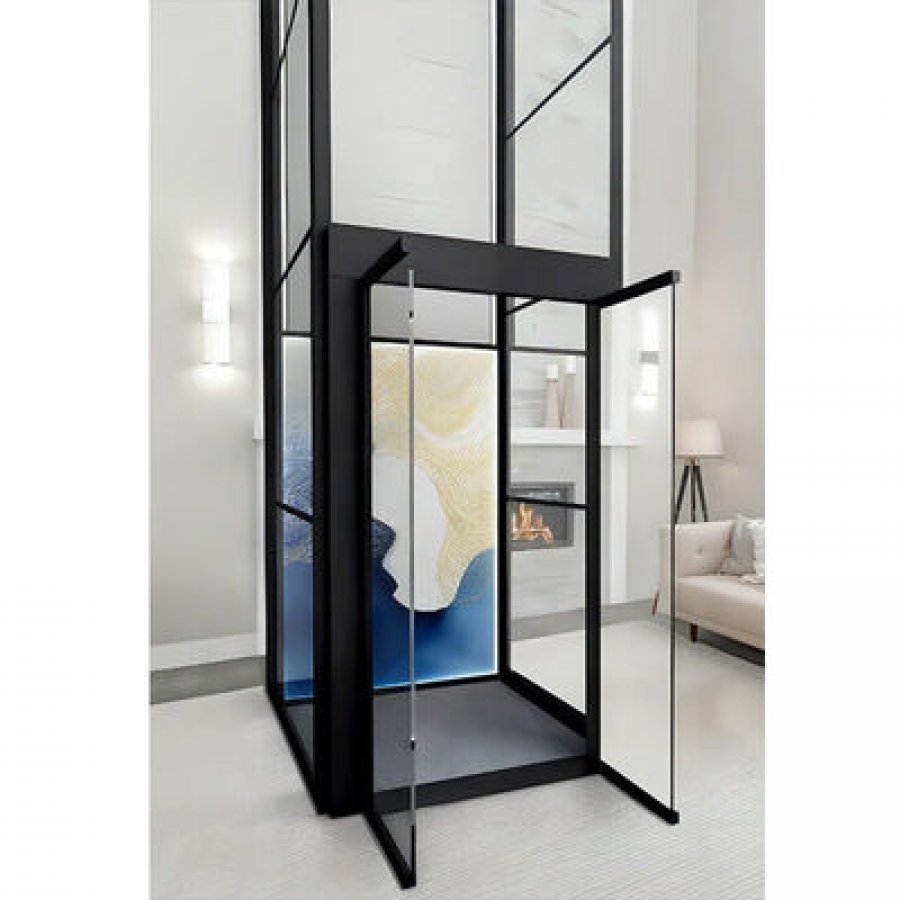
Screw Drive Home Elevator | 500–5000 kg Small Footprint Lift
Product Details:
Brand Name
YIMEISITE
Place of Origin
China
Certification
ISO 9001
Payment & Shipping Terms:
Minimum Order Quantity
1
Price
USD 20,000-30,000 per set
Packaging Details
Export non-fumigation wood box
Delivery Time
45 days
Payment Terms
TT or LC at sight
Supply Ability
5 sets
| Power Supply: | AC or DC | Capacity: | 500-5000 Kg |
| Maintenance: | Low Maintenance | Speed: | 0.15 M/S |
| Door Opening: | Center Or Side Opening | Travel Height: | Up to 15 M |
| Drive System: | Screw Drive | Safety Features: | Emergency Stop, Overload Protection, Safety Gear |
| Highlight: | Small Residential Elevator 500 Kg,5000 Kg Screw Driven Lift,500 Kg Screw Driven Lift | ||
Product Description
Screw drive home elevator · 500–5,000 kg · small footprint
A screw drive home elevator is the one lift family that scales from a single occupant to a five-tonne load without changing its mechanism — and the 500–5,000 kg band is where that range becomes useful.
This page documents one model: screw drive home elevator, 500 kg to 5,000 kg rated load, 0.15 m/s travel speed, 2–5 stops, travel up to 15 m, driven by a rotating screw and a travelling nut, supplied AC or DC, with automatic centre or side opening doors and a microprocessor control panel. It is built for houses, villas and small commercial conversions that need real load capacity inside a footprint a machine-room elevator will not fit. Everything below is read off this page's own parameter tables; where those tables are silent, the text says so.
The whole page in five lines
- What it is: a car or platform riding on a threaded column, with no rope, no counterweight, no machine room and no hydraulic oil.
- What it carries: 500 kg to 5,000 kg in the same family — one person with luggage at the bottom of the band, a pallet or a small vehicle at the top.
- Where it fits: 2–5 stops and up to 15 m of travel, indoors or outdoors, at 0.15 m/s.
- What to plan around: one fixed slow speed, a column that reaches the shaft in sections, and a pit and headroom figure this page does not publish — ask our engineers rather than guess.
- What it is not: the fastest way up, and not the machine for a busy public building — section 5 says where the boundary falls.
The short version. Screw drive buys three things a traction or hydraulic lift cannot give at this size: heavy loads with no machine room above the shaft, a car that holds position mechanically when the motor stops, and no oil circuit. It charges for them in speed and travel height, and both limits are in this page's own tables. Sections 3 and 5 tell you whether that trade is yours.
1. Whether a screw drive home elevator fits your building
The decision is not "is screw drive good". It is "does the building I own match what a screw lift is good at". Those are different questions, and the second one is answerable from a tape measure, a floor plan and your heaviest routine load.
A screw drive carries its load on a threaded steel column. A motor turns the column; a drive nut threaded onto it climbs or descends, and the car is bolted to that nut. Nothing is hauled over a sheave, nothing is pushed by hydraulic pressure, and nothing needs a counterweight. Three consequences follow, and all three show up in your first site survey.
The three consequences that decide the project
- The load path is short and vertical. The reaction goes down the column into the shaft structure rather than into a machine-room slab or a cylinder base — which is why one mechanism can be rated at 500 kg for a family and 5,000 kg for a workshop.
- There is no machine room and no plant room. No overhead space for a traction machine, no room for a pump unit and tank. In a house not designed around a lift, those two omissions usually decide whether the project fits.
- Position is held mechanically. When the motor stops, the nut stops where the thread stops — a property of the drive rather than an option.
Now the other side. The same mechanism makes one speed, stated here as 0.15 m/s, and it has a travel ceiling of up to 15 m. Neither is a specification you can negotiate upward with a bigger motor. Section 5 works through what that means in a house.
Three-state fit check
Read the card that matches your site; the third lists what to settle before an order is placed.
A good fit
- A house or villa that needs real capacity, not a two-person cabin. A screw lift rated 1,000 kg or 2,000 kg in a private residence is unusual, and it is what this page is for: moving furniture, a generator, building materials or a small vehicle between floors.
- A retrofit where no machine room can be created. With no overhead machine space and no hydraulic room, the constraint collapses to the shaft footprint and the travel height — usually the cheapest constraint to work with.
- A workshop, farm building or small commercial conversion. The 500–5,000 kg band covers pallet loads and small vehicles, and the mechanical hold makes loading at a raised level less awkward than on a hydraulic lift that drifts.
A poor fit
- Anyone whose real requirement is short journey time. 0.15 m/s is nine metres per minute: a three-storey house is comfortable, a five-storey run is a slow ride, and no configuration changes that.
- Public or semi-public traffic. Shops, clinics, hotels and offices need throughput. One car at one fixed speed is a throughput ceiling, and a hydraulic or traction machine is the right answer there.
- A shaft that still has to be designed. Screw drive removes the machine room, not the engineering: somebody still has to confirm the shaft structure, rail fixings, landing openings and floor loadings.
Settle before ordering
- Whether your authority will treat the installation as a goods lift or a passenger lift. Ratings above a few hundred kilograms and stops above two both trigger that question, and the answer changes the paperwork, not the machine.
- The AC or DC choice plus the protective device, cable and isolator behind it.
- The route the column takes into the building, including the narrowest door and lowest ceiling on the way to the shaft.
2. How the mechanism carries 5,000 kg on a single thread
The mechanism is old and simple. A threaded screw column stands in the shaft and a motor at the top turns it through a gearbox. A travelling nut threaded onto the column is prevented from rotating, so as the column turns the nut is forced to move along it — and the car is bolted to the nut. Turn the column one way, the car rises; turn it the other way, the car descends.
Cross section of the drive. Not to scale, and not a general arrangement drawing: it shows the load path, not dimensions. The pit and headroom figures for your configuration come from the layout drawing that goes with the quotation.
Why a thread can hold a load indefinitely
A thread is an inclined plane wrapped around a column, and an inclined plane does not have to be powered to hold a load. Once the motor stops, the nut stays where it is: nothing is balanced by a counterweight and nothing is held up by pressurised fluid. That is why a screw lift is chosen where a car left hanging is not acceptable, and why the brake is a back-up rather than the primary means of support. It also explains the capacity range: load capacity follows the column's diameter and pitch and the number of thread turns engaged inside the nut, so the same architecture carries 500 kg at one end of this page's band and 5,000 kg at the other, both at 0.15 m/s.
What moves, and where the maintenance attention goes
Four things move: the motor, the gearbox, the column in its bearings, and the nut along the column. Everything else behaves much as it would on any other lift, and that concentration tells you where to look as the installation ages.
- The thread is the load-bearing surface and the only surface that wears by design; how fast depends on how clean the shaft stays and how well the lubrication interval is kept. Ask for the method and the interval in writing.
- Alignment matters more than on a rope lift. A long column has to stay straight and the nut square to it, so the rail and column fixings are not the place to save money.
- There is no rope to replace and no oil to change — two items that dominate the maintenance budget of other drive types.
What the mechanism does not solve
Screw drive does not remove the need for a pit or for headroom above the car: the column has to stand somewhere and the drive sits at its head. Nor does it make the lift fast; what it does is put capacity into a small footprint without a machine room and without oil.
3. Choosing a rating between 500 kg and 5,000 kg
The band is ten times wide, so the first question is not which model but which number. Owners usually get this wrong in one direction: they add a margin to a figure they never measured, and pay for structure, door gear and documentation the building will never use. Work the other way round — measure the load, then take the nearest rating at or above it. Four figures inside the band cover almost every project; switch between them below.
Pick the rating closest to your heaviest routine load
Rating selected
5,000 kg
This page's parameter tables state the band as 500 kg to 5,000 kg. The four values above are the round figures projects normally land on; the rating printed on the machine plate is the one that matters at handover.
500 kg — one person with a load, or two people without
The lightest rating in this band is still several times a domestic passenger lift's cabin load. It covers a wheelchair plus an attendant, a mobility scooter, a stack of building material or an appliance on a sack trolley. Because the load is modest, the structure, guide rails and landing openings are the smallest of the four ratings — and so is the documentation the installation attracts in most jurisdictions.
Watch for: a 500 kg home elevator specified for a 250 kg machine, a 150 kg trolley and the person pushing it. Add the parts and the people before you pick.
1,000 kg — furniture, pallets and a mover
A tonne changes how a house is used. Upright pianos, kitchen units, a full pallet on a pallet truck, garden machinery and building materials all fit inside it with margin. It is also the point where the lift stops being a convenience for people and becomes a handling tool for the household.
Watch for: the door opening rather than the load. A pallet truck needs a clear opening wider than its handles and a car deep enough for the truck plus the operator.
2,000 kg — small vehicles and commercial loads
Two tonnes covers a small car, a quad bike, a compact tractor attachment or two pallets handled together. At this rating the buyer is usually a business rather than a household, and the structure is engineered rather than assumed — which makes the question of whether the authority calls the machine a goods lift unavoidable.
Watch for: braking and levelling. A vehicle on a platform needs a level landing and a controlled stop, and the opening has to suit the vehicle's width and mirror line rather than a person's shoulders.
5,000 kg — the top of this page's band
Five tonnes is the ceiling of this band and the point where a screw drive competes directly with a goods lift. It suits a workshop mezzanine, a transfer between two levels, a farm building or a garage with a lower floor. The load path runs down the column, so the structural design and the rail fixings deserve an engineer rather than an estimate.
Watch for: the travel limit rather than the load. Five tonnes over 15 m is a serious structure; five tonnes over four metres is a much easier project.
How to measure the load you actually need
The figure to specify is the heaviest load that will routinely travel plus the people and equipment with it — not the heaviest load that could conceivably be forced into the car.
- List the top five loads you expect in the first two years, with weights: usually furniture, building material, mobility equipment, a machine or a small vehicle.
- Add the handling equipment — a sack trolley, a pallet truck or a set of skates stands on the platform with the load.
- Add the people, then round up to the nearest rating and stop. Two people at 80 kg each turn a 900 kg project into a 1,000 kg project; one-off loads are not the design case.
The one exception. If the lift is also the route for a machine that will one day be replaced — a boiler, a generator, a compressor — specify the replacement's weight, not the outgoing unit's.
4. The specification in one table
Every value below is read off this page's own parameter tables. Switch between metric and imperial; the table and the rest of the page follow. Rows where the tables carry no value are not filled in with typical figures — they are listed at the end of the section.
Units
Metric values are the primary figures on this page: the parameter tables are written in metres, kilograms and metres per second. Imperial values are conversions for readers working in feet and pounds.
| Item | Value on this page | What it decides |
|---|---|---|
| Drive system | Screw drive | The character of the machine: no machine room, no oil, mechanical hold, one fixed speed. |
| Rated load | 500–5,000 kg1,100–11,000 lb | What the platform is rated to carry, from one person with a load to a small vehicle. |
| Speed | 0.15 m/s30 ft/min | Journey time on every trip, at every rating in the band. See section 5. |
| Travel height | Up to 15 mUp to 49 ft | How many floors it serves, and the length of column to be supported. |
| Number of stops | 2–5 | Whether the lift is a two-level transfer or serves a four-storey house. |
| Door type | Automatic | Powered doors with their interlocks, rather than a manually operated gate. |
| Door opening | Centre or side opening | Which landing wall suits the opening, and how wide the clear passage becomes. |
| Power supply | AC or DC | Whether the installation follows the building's mains supply or a DC arrangement. See section 6. |
| Control system | Microprocessor-based | Levelling accuracy, fault reporting and how the overload setting is commissioned. |
| Safety features | Emergency stop, overload protection, safety gear | The three protective devices this page lists as standard. Section 8 covers verification. |
| Maintenance | Low maintenance | No oil change, no rope replacement; the thread and nut carry the wear. |
| Warranty | 1 year | The covered period; extend it in the contract if the project needs longer. |
Commercial and identification data on the same sheet
Three lines belong here because buyers check them first: the brand on the sheet is YIMEISITE, the place of origin is China, and ISO 9001 is listed under certification. Order quantity, price, packing, delivery and payment terms sit in the table beside the product images, because they change with the order.
What the tables do not state
Two omissions are worth naming before you compare quotations. Pit depth and overhead clearance appear nowhere in these tables and are configuration-specific, so ask our engineers for both. Car and shaft dimensions and the clear door opening follow from the rating, the load and the door type, so they are settled at the layout stage rather than published as one row.
How to use this table in a tender. Send it as the specification you are pricing against, and ask each supplier to return the same rows plus the two missing figures. Comparing quotations on price alone, when two rows that decide the shaft are absent from all of them, is how a project buys a machine that will not fit.
5. Speed and travel: where the screw drive boundary really falls
Two numbers decide whether a screw drive home elevator suits a building, and they are the two that brochures talk around: 0.15 m/s and up to 15 m. Both are on this page's own tables, so there is no need to soften them — only to convert them into the unit a buyer actually experiences: seconds on a real journey.
Travel time at the rated speed of 0.15 m/s
Travel time only: distance divided by the 0.15 m/s rated speed, ignoring acceleration and door time. Treat it as the floor of the journey time. The four distances are reading examples, not floor heights from a layout.
What the boundary means in a house
A two-storey house with a 3 m floor-to-floor height is roughly a 3 m journey: twenty seconds of travel before the doors are counted. Nobody notices that, and the same machine carries a 500 kg crate or a 2,000 kg pallet without changing speed — the rating does not buy speed on this mechanism, which is an advantage for a goods duty because the machine behaves identically at every load in the band. A four-storey house with three 3 m flights is a 9 m journey, a minute of travel and a three-minute round trip once doors and loading are added. If somebody is moving boxes, that is fine; if somebody crosses the house several times an hour, the lift becomes a place they wait, and that is the honest limit of the product.
- The 15 m ceiling is physical, not a rate. A 15 m column has to be supported along its length, has to reach the shaft in sections, and the alignment tolerances at the top of the run matter more than at the bottom.
- With 2–5 stops applying at the same time, a 15 m travel is served by a few landings spaced generously apart — a pair of floors in a tall building, or an outdoor run up a slope — not a lift serving twenty floors.
What the fixed speed costs you, and what it does not
- It costs you waiting, not capability. The same rated load goes up and down at the same rate all day, with no derating for a heavy load and nothing to warm up, and a slow machine is easier to stop accurately.
- It does not stop you installing outdoors or in a workshop, where nine metres a minute is rarely a nuisance — but it does stop you buying it for a shop, a clinic or an office entrance, where one car at one fixed speed is a queue.
The three questions a critical buyer should ask about speed and travel
Screw drive lifts attract one recurring criticism in buyer guides: that they are slow and limited in travel. Both statements are correct, and neither is a defect. What matters is that nobody sells you a project on the assumption you will not notice. Ask any supplier, including us:
- What is the door cycle time? On a short journey the doors dominate, and this page prints no door timing figure, so it belongs in the quotation.
- What is the acceleration and deceleration profile? A machine rated at 0.15 m/s still has to start and stop; ask for both as commissioning values.
- How is a long column supported at your travel? Above a few floors the column fixing schedule becomes the engineering content of the project; ask for the fixing intervals and the alignment tolerance.
Where the boundary is absolute. Above 15 m of travel this mechanism is the wrong one and no configuration changes it — a traction or hydraulic machine is the correct answer. Inside 15 m, work out the round-trip time from the table above before you order if your routine includes more than three or four trips an hour.
6. Pit, headroom, indoor or outdoor, and the AC or DC supply
Screw drive removes two of the four things that usually derail a house lift project: there is no machine room to find and no hydraulic plant room to build. That leaves four site questions, all answerable before a quotation means anything: where the column stands, how much headroom the drive needs, whether the position is indoors or outdoors, and what the supply will be.
What "small footprint" means in practice
The footprint advantage is not a narrow car; it is that the machinery tucks into the shaft instead of sitting on top of the building. The column runs up one side, the drive sits at its head, and the car uses the rest of the plan.
Plan view drawn to explain where the parts sit, not to scale and not a layout drawing. The shaft outline, the car plan and the landing opening all follow from the rating, the load you handle and the door type, and they are fixed by the general arrangement drawing for your project.
Two consequences follow. The landing opening is chosen early, because it decides what the lift actually carries: a 2,000 kg rating behind a door a pallet truck cannot enter will never see a pallet. And the column must be plumb over the whole travel, so the structure has to be built to receive it. That is what a small footprint screw lift buys you — machinery inside the shaft, not beside it or above it.
Indoor or outdoor: what changes
Outdoor mounting is one of the configurations this page covers, and it changes the specification list rather than the drive. Each item below is a design input, not a formality.
Site conditions to settle before the layout is drawn 0 of 6
The pit and headroom question, answered honestly
This page does not state a pit depth or an overhead clearance, and neither does this article, because both depend on the travel, the rating and the door arrangement you order. What can be said plainly: the column has to stand from the bottom of the run to above the top landing, and the drive sits at its head, so headroom above the top landing is always part of the layout. Whether the bottom needs a recessed pit or can be built at floor level is exactly what the layout drawing answers, and it is the first thing to request with a price.
The power supply row reads AC or DC, which is a wider statement than it looks. Most house installations run the drive from the building's alternating-current supply; a direct-current arrangement is also supported, which matters where the machine is fed from a battery or a DC bus rather than mains. Either way the electrical work is a real part of the project, and the quotation should name the running current, the starting current and the protective device, because your electrician has to size the cable and the isolator whichever side of the drive they stand on. The order to do things in. Shaft plan and landing openings first, headroom and pit next, supply data at the same time, structural sign-off before anything is poured.AC or DC: what the supply line is telling you
7. Cabin, doors and what has to pass through them
On this page the door line reads automatic, with centre or side opening as the choice. That row carries more of the project than any other: the door decides what the lift carries in and out, where the landing wall has to be opened, and how much landing floor area the slide takes.
The two door arrangements named in this page's parameter table. The drawing explains the difference in behaviour; the dimensions come from the layout drawing for your rating and landing openings.
Centre or side opening: how to choose
Automatic centre opening
Two powered panels part from the middle. The opening sits symmetrically on the car, so the approach from either direction is equally comfortable, and two shorter panels take less wall space at each side than one long leaf.
Usually chosen for: house landings, corridors and any position where people approach the door head-on.
Automatic side opening
One powered panel slides clear to one side. Once it has travelled, the clear opening is unobstructed across the width — usually what a pallet truck, a trolley or a long load needs — and one side of the wall stays free.
Usually chosen for: workshop and garage positions, and where a load enters with handling equipment.
- Both arrangements are automatic, and both arrive with the operator, the reopening device and the landing locking arrangement that make an automatic door rather than a gate. Car and landing doors are interlocked, so the car cannot move with a landing door open.
- What to request with the quotation: the clear opening and the car plan as drawn figures, plus the door cycle time for the journey calculation in section 5.
Three things to fix before the wall is opened
- The clear opening, measured against the widest thing you will move: a loaded pallet truck, a wheelchair with an attendant, or a car with mirrors folded. Clear opening is not leaf width.
- The landing side the door sits on. On a retrofit, moving the opening to a different wall is often cheaper than moving the shaft.
- What happens at each landing. A garage or yard entrance is often given the wider arrangement while internal floors use centre opening.
Do not buy a rating and then squeeze the door. Fix what has to pass through first, then choose the car plan and rating that carry it.
8. Safety devices and what to verify at handover
This page's parameter table lists three safety features: emergency stop, overload protection and safety gear. Three items is a short list, so it is worth being precise about what each one is, what it does not replace, and what has to be checked on site.
The three listed devices
Emergency stop
A manual device that stops the machine when a person decides it should stop. It is an operator's control, not a protective system: it helps only if somebody is present, can reach it and recognises the problem. Its value is in where it is installed and how plainly the release procedure is written.
Overload protection
A function that stops the machine being operated beyond its rated load. The setting is commissioned against the rating actually ordered, so a machine bought as 1,000 kg must be set and labelled as 1,000 kg. Ask for the value at handover and re-check it if the duty changes.
Safety gear
A mechanical device that grips the guide rail if the car's speed becomes excessive — the reason the rail specification belongs to the safety discussion rather than the cosmetic one, and the reason rail fixings are inspected rather than assumed.
What three devices do not tell you
These three are the disclosed protective features of this machine. They are not a statement that the installation complies with a particular national lift standard, and this page names none. That is the gap to close at contract stage: the build and test standard, the door interlock arrangement, the levelling tolerance, and the inspection regime your authority applies to a machine of this load and travel.
ISO 9001 is listed on this page under certification.
Read that line for what it is: a quality management system certification. It says the factory runs a documented quality system; it does not certify the lift against a lift safety standard. Ask which build and test standard applies.
Handover checks worth walking through
Whether the machine is for a family or a workshop, the same seven items decide whether the installation is finished. None can be verified from a brochure.
Verify on site, not on paper 0 of 7
One sentence to keep. The features listed on this page are the ones fitted; the standard the machine is built to is a separate question. Ask both in writing and keep the answers with the machine documents — an inspector will ask, and so will a resale buyer.
9. Maintenance, warranty and the parts that wear
The maintenance line reads low maintenance, and the mechanism earns it: no rope to replace on a schedule, no hydraulic oil to sample and change, no cylinder seals to weep. What remains is a smaller set of wearing parts, concentrated in one place.
Where the wear actually goes
The thread and the nut
The load-bearing surface of the machine and the part whose condition decides its service life. Cleanliness and lubrication matter here more than anywhere else.
Ask for: the lubrication method, the interval and the nut wear limit, in writing.
Column bearings and rail fixings
The column must stay plumb and the nut square to it, so bearing condition and rail fixing tightness are the items a service visit should not skip — particularly outdoors, where the structure moves with heat.
Ask for: bearing type and replacement procedure, so a future owner is not tied to one supplier.
Doors and landing gear
Automatic doors wear on their own cycle: rollers, tracks, the operator and the interlock, and door faults are the commonest reason a household notices the lift needs attention.
Ask for: door roller and track part numbers, and whether the operator is a common industrial unit or a proprietary one.
The shape of a sensible schedule
This page publishes no maintenance interval, so treat the following as the structure of a schedule to agree with the supplier. An owner's log of dates and observations beats a memory, and lubrication deserves its own line at the manufacturer's interval — ask our engineers for it, with the lubricant named and the wear measured rather than estimated. Behind that sit the mechanical and control checks — rail fixings, guide shoes, safety gear, nut assembly, door interlock, overload setting and levelling — at the interval the supplier specifies for your duty, because those are the functions that fail silently.
Warranty: one year, and what to pin down
The warranty line reads 1 year. What that covers varies more between suppliers than the number does, so settle four items before the machine ships:
- Parts, labour and travel — which of the three the year includes, and where the technician comes from.
- Response time for a stopped lift, in writing. A household with the only lift out of action has a different urgency from a workshop.
- What voids it: third-party service, a rating change, unauthorised repairs, or an outdoor installation without the specified weather protection.
- Spares availability after the year, and for how long: ask about the nut assembly by name, because it is the part that will eventually be replaced.
Why low maintenance still needs documents. A machine with fewer wearing parts is cheaper to keep, but only if the parts that do wear can be measured and replaced by any competent technician. Ask for the inspection method, the wear limit and the part numbers at handover.
10. Screw drive home elevator questions
These are the questions buyers ask after reading the specification and before placing an order. Each answer is written against this page's own parameter tables, and each one says where those tables stop.
It is a lift whose car or platform is carried by a threaded steel column instead of a rope, a chain or a hydraulic ram. A motor turns the column, a nut threaded onto it climbs, and the car is fixed to the nut. There is no machine room above the shaft, no counterweight, no power unit and no oil — and that short mechanical load path is why one architecture covers this page's 500 kg to 5,000 kg band.
5,000 kg is the top of the band this page's parameter tables state, so for this model the answer is yes — that is the rating, not a claim about a lighter machine. Whether it is right for you is a different question: a thread carries what its diameter, pitch and nut engagement are designed for, and cost and structure both rise with the rating. Measure the heaviest routine load, add the equipment and the people, and round up. Most private houses land at 500 kg or 1,000 kg.
No machine room: the drive sits at the head of the column inside the shaft envelope, which is the main reason this drive suits retrofits. The pit is different, and the same paragraph answers the floor-count question: with 2–5 stops and travel up to 15 m, a four-storey house fits inside the limit and a lift serving twenty floors does not. This page carries no pit depth and no overhead clearance, and neither is invented here, because both depend on the travel, rating and door arrangement you order. Treat both as open items to confirm with our engineers and request them with the layout drawing.
No. The drive is mechanical: motor, gearbox, column and nut. There is no reservoir, cylinder, hose or seal to weep, so there is no oil to change and no leak risk beneath the shaft. The lubrication that exists is on the thread itself, and this page publishes neither its method nor its interval — obtain both in writing.
Choose by what has to pass through, not by how it looks. Centre opening puts the clear passage in the middle of the car and splits the panels to both sides, which suits a landing people walk straight into. Side opening clears one side completely, which is usually what a pallet truck, a trolley or a long load needs. Both are automatic here, and both arrive with the operator, the reopening device and the landing interlock.
Yes — outdoor installation is one of the configurations this page covers, which is uncommon in this class and useful between a house and a garage, on a hillside plot or in a courtyard. What changes is the specification list rather than the drive: weather protection, drainage and ground fall, wind and snow exposure, and temperature movement acting on a long column. Section 6 lists the six items to settle.
Five things move the number far more than the drive does: the rated load, because it sizes the column, the nut and the structure; the travel and stop count; the door arrangement; indoor or outdoor position, because weather protection is real work; and site access, because a machine carried through a house in sections costs more to install than one delivered to a courtyard. Ask for those five as line items, with the pit and headroom figures.
The table says AC or DC, which covers a mains-fed installation and a direct-current arrangement. It carries no voltage or current figure, so the supply is matched at the layout stage: give the supplier your voltage, frequency, phases and available capacity, and ask for the running current, starting current and recommended protective device in return. Your electrician needs those three numbers to size the cable and the isolator.
The machine has three listed protective features: emergency stop, overload protection and safety gear that grips the rail if the car overspeeds. There is also a mechanical argument in its favour: the load is carried on a thread, so the car does not descend if the power fails. What the page does not do is name a lift safety standard or any certification beyond ISO 9001, a factory quality-management certification rather than a product standard. Ask for the build and test standard in writing.
11. What a quotation for this lift needs from you
A screw drive quotation is only as good as the site information behind it. If you are pricing a screw drive lift for homes rather than a light commercial run, the same eight items apply: send them together and the answer comes back as a configuration with the missing figures filled in, rather than a band to interpret.
Send these with your enquiry 0 of 9
What the answer should contain
- The pit depth and overhead clearance for your configuration, in writing — the two figures this page does not publish.
- The confirmed rated load, travel, stop count and door arrangement, on the machine plate as well as the quotation.
- The electrical data: running current, starting current and recommended protective device.
- The build and test standard and its certificate or declaration — separate from the ISO 9001 quality-system line.
- The maintenance schedule: lubrication method and interval, nut wear limit, spares position.
- The warranty scope and the scope boundaries: parts, labour, travel, response time and what voids the warranty; then freight, unloading, installation, commissioning, local approval, and who builds the shaft.
Related pages worth reading next
- Screw driven elevators — the whole family, with the lighter and shorter members of the same type.
- Compact screw drive home elevator — the light end of the family, for houses that do not need the heavy band.
- Heavy-duty screw drive elevator, 5,000 kg — the top of this band, built as an industrial machine.
If your project needs more speed than 0.15 m/s or more travel than 15 m, say so in the enquiry: the answer will be a different drive type, not a different screw drive.
Send your load, your travel and your building — get a configuration, not a band
Floor-to-floor heights, the shaft plan, the position of the column and the electrical supply are usually enough to come back with a confirmed rating, a door layout and the pit figure. If you are still comparing drive types, read section 5 before anything is ordered: it is the section that decides whether a screw drive is your machine.
Screw drive home elevator 500–5,000 kg · 0.15 m/s · up to 15 m
Want to Know more details about this product
Similar Products