English
 Español
Categories
Contacts
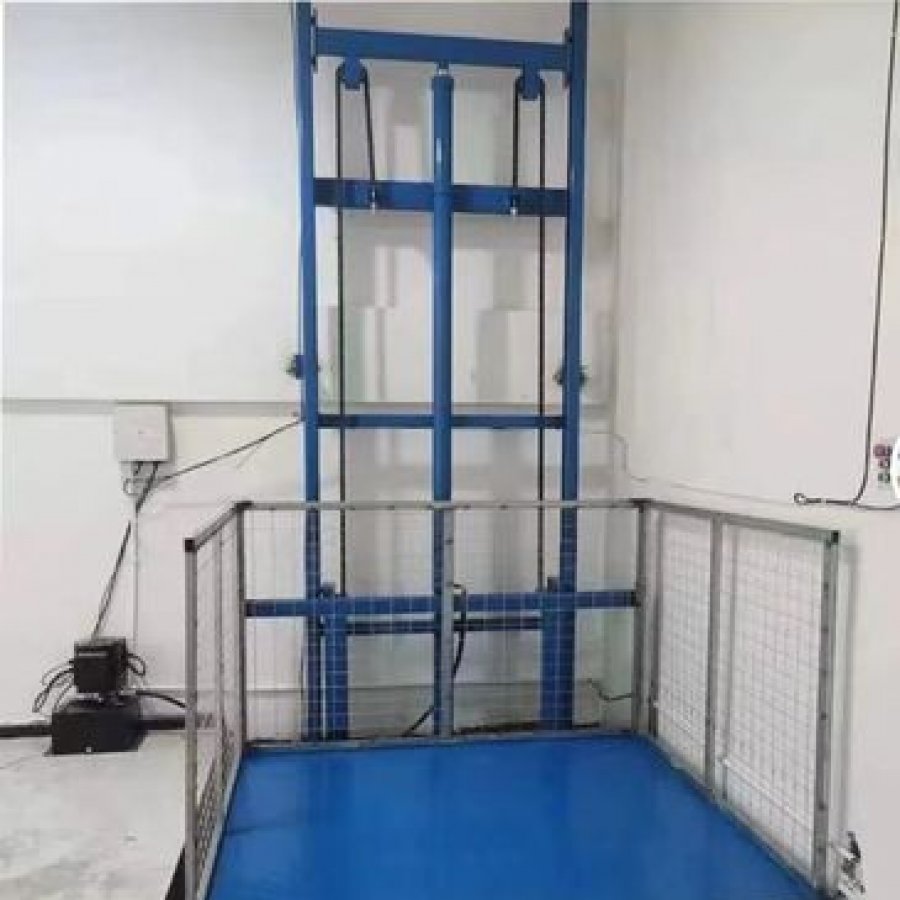
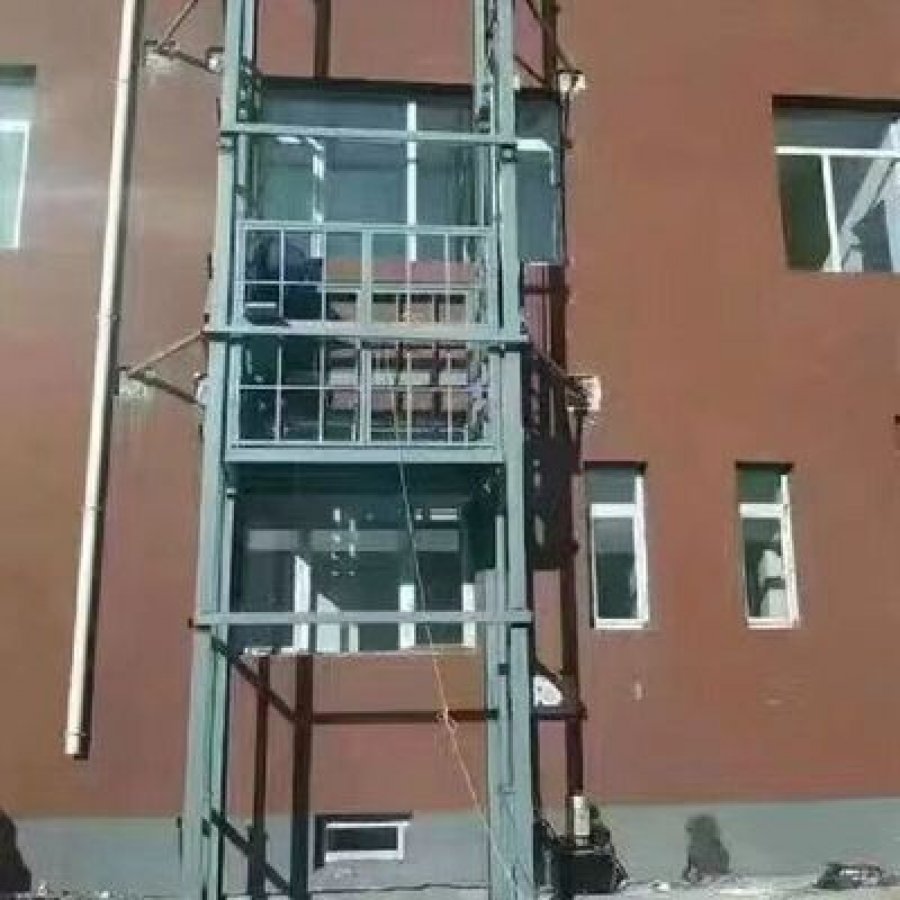
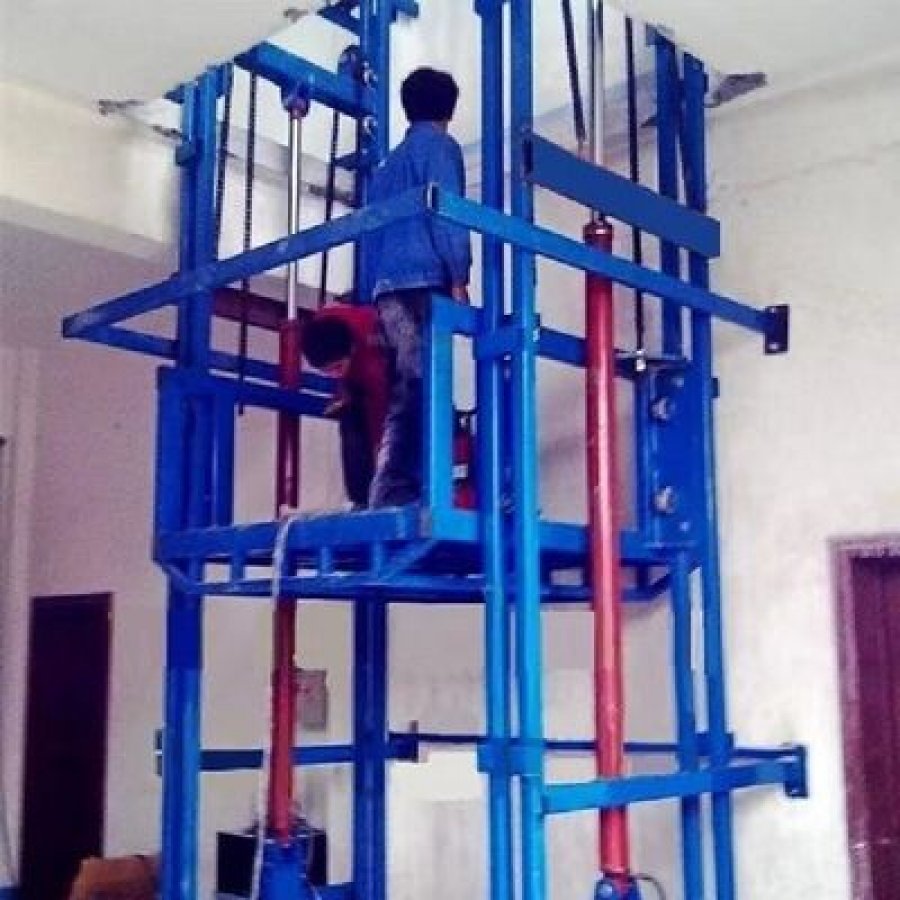
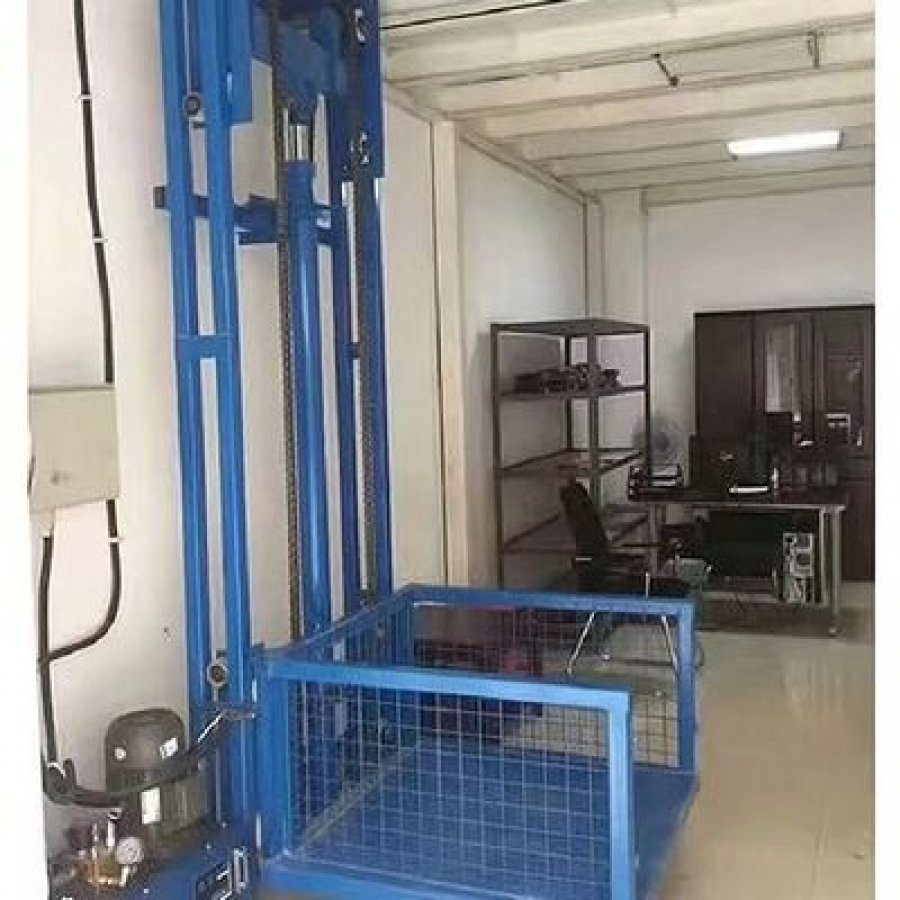
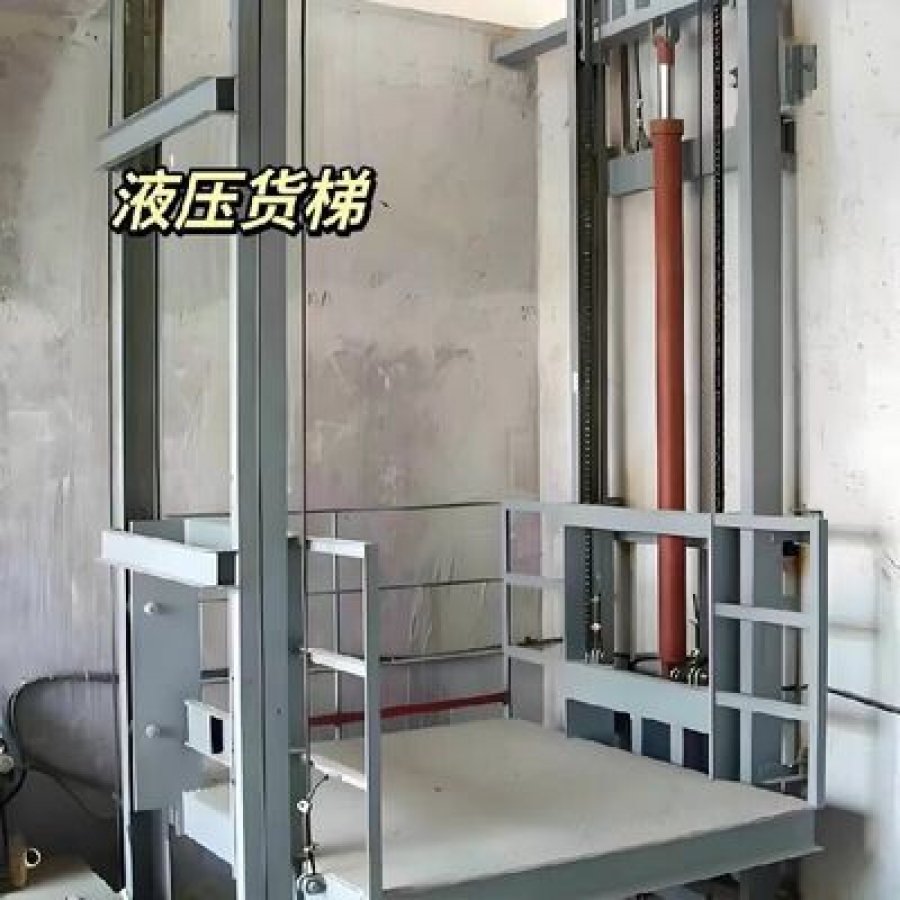
Hydraulic Residential Cargo Lift – Custom 1-12 m Home Freight Elevator
Product Details:
Brand Name
YIMEISITE
Place of Origin
China
Payment & Shipping Terms:
Minimum Order Quantity
1 set
Price
USD 4,000-10,000 per set
Payment Terms
T/T,L/C
Supply Ability
20 sets per month
Delivery Time
20 working days
Packaging Details
Export non-fumigation wood box
| Product Type: | Cargo Lift | Drive Mode: | Hydraulic |
| Load Capacity: | 1-2 Tons | Warranty: | 12 Months |
| Control Mode: | PLC Control | Power Supply: | 3-phase 380V/50Hz |
| Safety Device: | Safety Interlock, Overload Protection, Emergency Stop Button | Lifting Height: | 1-12 Meters |
| Highlight: | Hydraulic Residential Cargo Lift,12 Meters Home Freight Elevator,Residential Cargo Lift 12 Meters | ||
Product Description
Hydraulic drive · 1–2 t · 1–12 m travel · pit or no pit
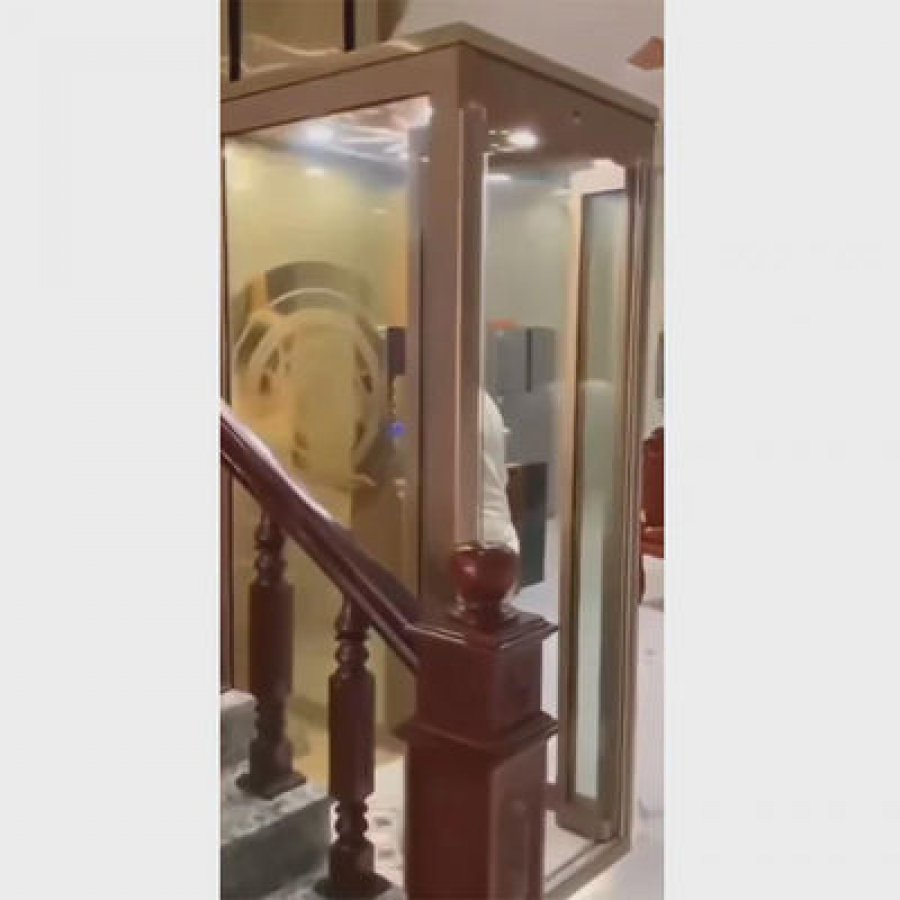
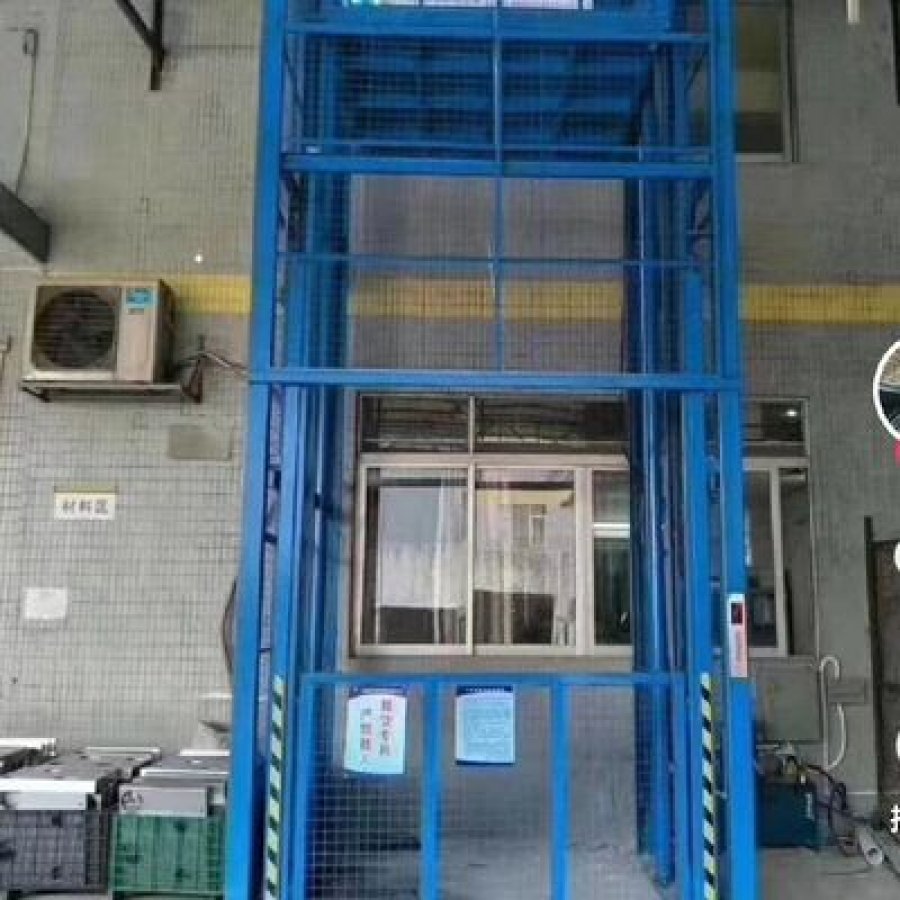
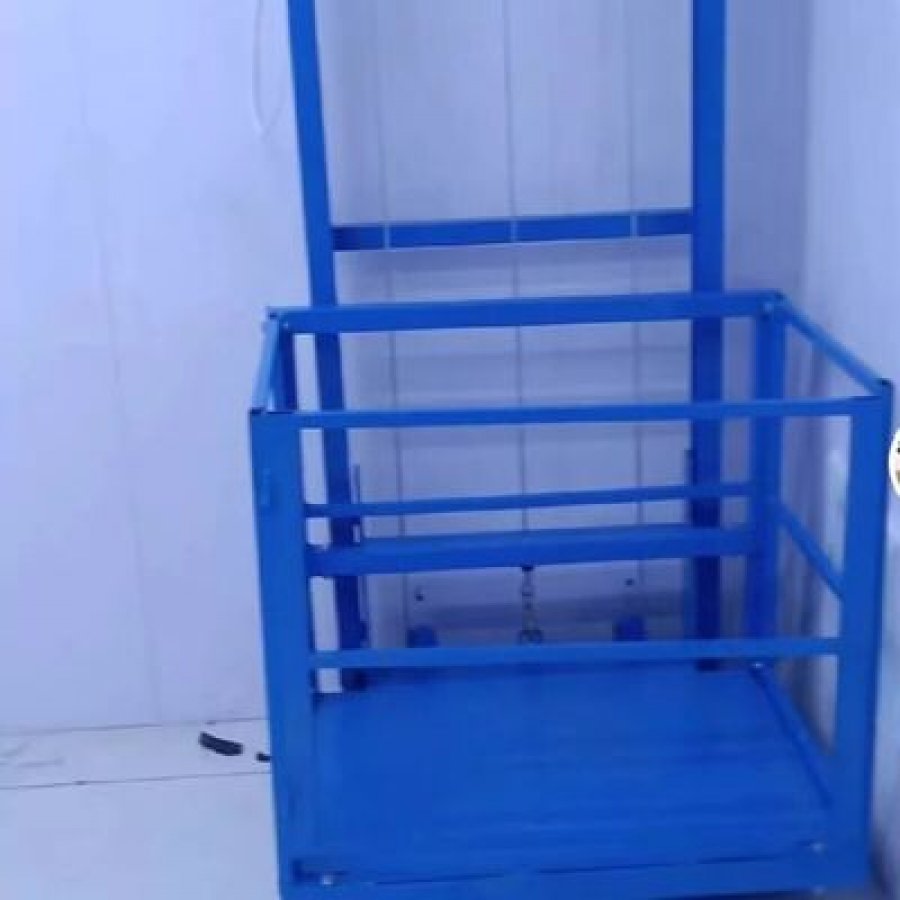
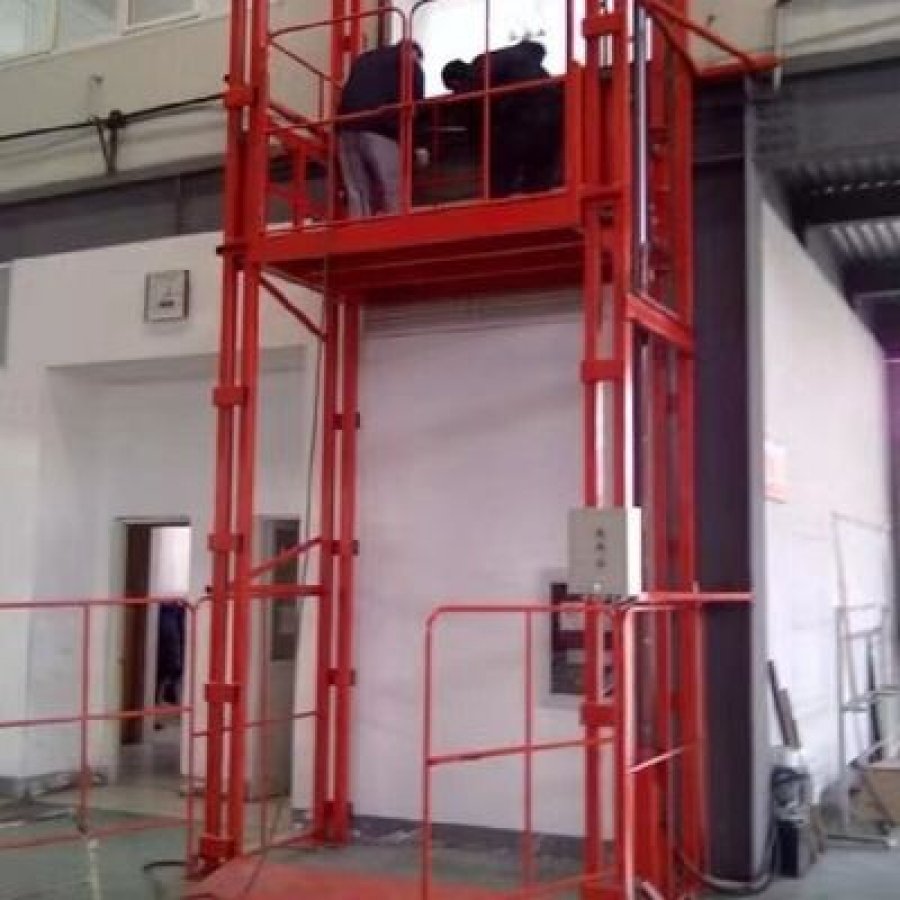
A residential cargo lift carries goods between the floors of a house, a shop or a small workshop. This page publishes one hydraulic goods lift: 1 to 2 tonnes of load, 1 to 12 metres of travel, a steel platform built to the goods, PLC control and a 3-phase 380 V supply. It goes in with a pit or without one. The sections below work through the three questions that decide whether it fits your building. What do you have to move? What can the site give in space and power? And how do the goods get onto the platform?
- 2000kg — top of the published load range
- 12m — longest published travel
- 0.05–0.2m/s published speed range
- 380V three-phase, 50 Hz supply
- 12months published warranty
This page carries no certification line in its parameter table, so nothing here claims a standard, a mark or an approval. Commercial terms sit in the parameter table beside the product photograph. Everything below is about the engineering case and the site questions a quotation depends on.
1. Is a goods lift right for this building
A goods lift earns its cost when heavy items move between floors often enough that carrying them by hand or by stair becomes the bottleneck. That is a rate question, not a size question.
Buyers arrive at this machine through several names. One enquiry asks for a residential goods lift, another for a cargo lift for home, and a third for a home freight elevator. All of them describe the same duty: a platform that exists to move goods inside a house, a shop or a small workshop rather than to carry people. What changes between the names is the layout behind them, not the idea.
Three site facts decide the answer, and all three have to line up. The load has to sit inside the published 1 to 2 tonne range. The travel has to sit inside the published 1 to 12 metre range. And the building has to be able to take the platform, the guides and the power supply. Where one of the three fails, the answer is a different machine or a different plan, not a bigger quotation.
FitsA regular goods route
- Heavy items arrive or leave on a schedule, not once in a decade.
- The heaviest single load is at or below 2 tonnes, including the pallet or the crate.
- The highest floor you need to reach is within 12 metres of the lowest one.
- A three-phase 380 V supply can reach the machine position.
- There is a place for the platform, its guides and a clear loading edge on every level.
Check the siteOne condition is open
- Load fits the range, but the only available space is tight or shared with a stair.
- Travel fits the range, but the highest landing sits close to the 12 metre limit.
- Supply is single-phase only, or nobody has measured it at the machine position yet.
- Nobody has decided whether the platform enters level with the floor or over a ramp.
Wrong machinePeople, not goods
- Carrying residents or visitors between floors is the main job.
- One load is heavier than 2 tonnes, or the highest floor sits above 12 metres.
- Goods cross a public area where an open platform cannot be guarded.
- No route exists to bring three-phase power to the machine position.
Three cases where the answer is no
- A goods lift is not a passenger lift. It is designed around cargo weight and cargo handling, so carrying people in it belongs to a different product line.
- An open platform cannot be left where anyone can walk onto it. If the goods route crosses a corridor the public uses, the opening has to be guarded or the layout has to change.
- Buying capacity the site cannot use adds cost and weight for nothing. If the real heaviest load is 800 kg, the 2 tonne end of the range buys steel, hydraulic power and floor loading that no one will use.
Why the rate of use matters more than the peak load
Two buildings with identical loads can reach opposite answers, and the difference is how often the move repeats.
- A villa that takes a pallet of tiles once, during construction, is usually better served by labour and a temporary hoist.
- Shops that restock from a back yard twice a week are the case this machine is published for.
- Workshops that move steel stock between a ground-floor store and an upper assembly room repeat the move often enough to justify a permanent route.
The monthly supply figure in the parameter table tells you the machine is built in series rather than one at a time. It says nothing about how often your own site will use it.
The useful test is simple. Write down every heavy move the building will make in one year, then count how many of them happen more than four times. That number, not the single heaviest item, is what pays for a permanent lifting route.
2. Five questions that decide the job
Answer these five questions against your own building and the page will tell you where the enquiry stands. The widget compares your answers with the ranges published on this page only. It does not invent a rating, and it cannot replace a site survey.
The check reads four published facts: 1 to 2 tonnes of load, 1 to 12 metres of travel, a 3-phase 380 V 50 Hz supply, and an installation that works with or without a pit. Anything outside those four lands on the same answer, which is that the configuration has to be quoted rather than assumed.
How to answer each question
Take the heaviest single load, not the average one. A pallet of tiles weighs more than the trolley that moves it, and the crate counts too. Write down the figure you would be unhappy to exceed.
- Travel. Measure from the lowest landing to the highest one, floor surface to floor surface. If the machine serves a basement and a second floor, the travel covers both jumps, and the intermediate levels sit inside that span.
- Supply. Check the power at the position where the machine will stand, not at the meter. A building can have a three-phase supply that stops at a distribution board three rooms away, and the run has to be planned before anyone quotes a delivery date.
- Excavation. This is the question most sites answer late. A pit gives a flush entry at the lowest level. A pitless layout avoids the excavation and changes what the loading edge looks like, which feeds back into how goods are pushed onto the platform.
3. Load and platform size
Everything else on this page follows from two numbers: the heaviest load and the footprint that load needs. The published machine covers 1 to 2 tonnes, so the same frame answers a 1 ton cargo lift and one at the top of the band. Inside that band the platform is not a stock size, because a pallet of bagged sand and a chest freezer need different shapes even when they weigh the same.
Planning at 1 t
At this end of the published range the deck only has to carry the goods you actually move. Boxes, bagged material, a single appliance or a loaded hand trolley stay inside the band without asking the building for heavy floor loading.
Two things still get decided by the shape of the goods. The deck has to be long and wide enough for the load plus the pallet it sits on, and the gate has to clear the tallest item on that deck. Neither is a stock dimension.
Planning at 2 t
At the top of the published range the load usually travels on a pallet truck or a forklift. That changes more than the deck. The deck surface has to take a rolling point load, the loading edge has to meet the floor cleanly, and each landing has to carry the weight of the loaded machine as it arrives.
Hydraulics help here, because the drive spreads the lifting force across a cylinder rather than a rope drum. The trade is that the machine takes more space and more power than the light end of the same range.
| Item | Published value | What it decides |
|---|---|---|
| Load capacity | 1–2 t (1,000–2,000 kg)2,200–4,400 lb | The heaviest single load, including the pallet or crate |
| Travel | 1–12 m3.3–39.4 ft | The distance from the lowest landing to the highest one |
| Speed | 0.05–0.2 m/s9.8–39.4 ft/min | The cycle time for one trip, and how gently the load stops |
| Platform | Custom steel deck | The footprint of the goods, plus the way they are loaded |
| Drive | Hydraulic | Smooth travel and a low headroom demand at the top landing |
| Control | PLC panel with call buttons at each landing | Where the operator stands when the platform moves |
| Power supply | 3-phase 380 V, 50 Hz | Whether the machine position can be fed from the existing supply |
| Installation | Pit or no pit | The finish of the lowest landing and the entry onto the deck |
| Safety devices | Safety interlock, overload protection, emergency stop button | What guards the openings and what stops the platform |
| Warranty | 12 months | The period stated in the order documents |
Convert your own figures
Conversions use fixed arithmetic: 1 tonne is 1,000 kg and 2,204.62 lb, and 1 metre is 3.28084 ft. The result tells you where your figure sits against the published range. It does not change the rating of the machine.
What the platform cannot be
A deck that is long enough for a pallet truck is usually too long to turn inside a narrow stairwell. That is the trade every custom cargo lift platform makes: it follows your goods, and in return the opening it travels through has to follow the platform.
The other fixed point is the load plate. Whatever the deck is built to, the machine moves at that rating and the overload protection stops it above that rating. A quotation that raises the platform size without raising the rating, or the other way round, has changed the product rather than the option.
Drive choice sits behind both numbers. A hydraulic cargo lift carries the load on a cylinder instead of a rope drum, which is what lets the deck be built low and wide and still park level with a finished floor. It also keeps the moving parts short, so the deck can sit close to the ground at the lowest landing.
4. Travel, floor openings and the site
Travel is the first number a supplier will ask for, and it is not the height of the house. Measure from the surface of the lowest landing to the surface of the highest one. A machine that serves a basement and a second floor carries a travel that covers both jumps, with the ground floor sitting inside that span.
The published range runs from 1 to 12 metres. Below the bottom of the range the machine becomes a short-rise platform and a different product makes more sense. At the top of the range the structure, the guides and the speed all matter more, and the published speed band of 0.05 to 0.2 m/s is what keeps the ride stable over that distance.
What the building has to give
Three measurements decide whether the published machine can be installed, and all three belong to the building rather than the lift. Take them before you ask for a price, because they change the answer more than any option on the machine.
0 / 3 ready
What this page does not publish
Pit depth, headroom above the top landing, the clear opening of the gate and the point load each landing has to carry are all decided by the layout. None of them appear in the parameter table on this page, and none of them can be guessed from the load alone.
A quotation therefore comes with a drawing rather than a sentence. The drawing shows where the guides stand, how the platform meets each floor, where the power unit sits and where the gate opens. Until that drawing exists, every number about the building is a placeholder.
If the run is longer than 12 metres, or if the intermediate levels need a different stop pattern, the configuration changes. Send the level-to-level heights and the request will be quoted as a different layout rather than squeezed into the published range.
5. Three-phase power or a single-phase site
The machine on this page is published with a 3-phase 380 V, 50 Hz supply. That single line decides a lot. A three-phase motor turns a given load with less current per conductor, and the hydraulic power unit on a goods lift runs long enough that the supply becomes part of the project rather than a detail at the end.
A 3-phase supply already reaches the machine position
This is the shortest route to a firm quotation. Send the supply details and the distance from the distribution board to the machine position, and the electrical side drops to a cable run and a local isolator.
One check still belongs to your electrician. The available capacity at the board has to cover the power unit while other equipment on the same supply is running, because a goods lift draws its heaviest current at start-up.
The building has single-phase power only
The published machine is a 3-phase unit, so this becomes a site question rather than a product question. Three routes exist: bring a three-phase feed to the machine position, run the lift from a converter, or choose a different configuration of lifting product.
None of the three can be answered from a photograph of a distribution board. Send the supply voltage, the main breaker rating and the distance to the machine position, and the answer comes back with the quotation.
Nobody has measured the supply yet
This is normal on a first enquiry, and it is the one item worth chasing early. The figure to find is the supply at the machine position, not at the meter or at the street.
Photograph the distribution board, note the main breaker rating, and measure the cable route. Those three items answer most of the electrical question before a drawing is issued.
Pit or no pit: what actually changes
With a pit
The lowest landing stays flush. The platform sinks below floor level, so goods roll straight on and off along the same surface, and the machine position sits in a recess below the finished floor.
The cost side of that choice is excavation and drainage work. The benefit side is a loading edge with no ramp and no step at the level the goods arrive on.
Without a pit
The published machine also installs with no pit at all. Nothing is dug out under the lowest landing, so the deck parks above the floor and the goods rise onto it over a short ramp or a raised edge.
That suits existing buildings where cutting the slab is not acceptable. It also changes the low-level detail, so the platform entry has to be drawn before the floor finish is laid.
Electrical questions that arrive too late
- Supply measured at the meter, three rooms away from where the machine will stand.
- Board carries three phases, but the spare capacity on them was never added up against other equipment.
- Cable route crosses a finished wall or a tiled floor, which turns a short run into a building job.
- Nobody checked the local supply standard, so the voltage and frequency on the drawing were assumed rather than confirmed.
One more point belongs to the local market. Supply arrangements differ between countries, and the published 380 V, 50 Hz figure describes the machine as it is listed on this page. If the site runs another voltage or another frequency, say so at the enquiry stage and the configuration will be quoted against your supply rather than adjusted afterwards.
6. How the goods reach the platform
The published machine ends at the deck. Everything before the deck belongs to you. The way you load decides three parts of the product: the height of the loading edge, the height and width of the gate, and the clear space each landing needs in front of the opening.
Driven on by forklift
A counterbalance truck needs a deck that takes a rolling point load and an approach that keeps the mast clear of the structure above. This is the method that pushes hardest on the deck design and on the floor loading at each landing.
Plan the truck turning circle as part of the layout. A deck sized to the pallet alone can still be impossible to reach if the truck cannot line up square to the opening.
Rolled on by pallet truck
The most common method on a domestic or small commercial job. The truck rolls the pallet from the floor onto the deck, so the two surfaces have to meet closely, which is the advantage of a pit at the lowest landing.
Where there is no pit, the published pitless layout puts a short ramp or a raised edge in the same position. The pallet truck has to be able to manage that detail, so it is worth settling before the deck is drawn.
Moved by hand trolley
A hand trolley or a sack barrow suits boxes, bagged material and domestic appliances, and it is the method most residential sites actually use. It asks for a firm, level deck surface and a gate that opens wide enough to walk the load through.
Because the operator stands on the landing with the goods, the call button and the gate have to be reachable without stepping onto the platform.
Carried on by hand
Some loads never touch a truck. Carrying goods on by hand is the slowest method per trip, and it is the one that makes cycle time matter most, because every trip is repeated at walking pace.
If the goods are handled by hand, a low deck position and a wide gate matter more than the top end of the published load range.
Three details the loading method settles
Start with the gate. A deck that is loaded by hand can use a narrower gate than one that takes a pallet truck, and a gate that is too low for the tallest item on the deck turns the whole layout into a redraw.
- The landing space. Every method needs room to stand the goods and the equipment in front of the opening. Measure that rectangle on the plan, not on the floor as it looks today with the area clear.
- The trip count. A faster published speed shortens each trip, but the loading method often takes longer than the travel itself. Loading a pallet truck twice per move costs more time than the platform spends moving.
Nothing in this section adds a delivery term or a price. Commercial figures, including the published supply and packing terms, sit in the parameter table on this page.
7. Safety devices and interlock
The parameter table on this page lists three safety devices: a safety interlock, overload protection and an emergency stop button. Those three cover different failures, and it is worth knowing which one answers which problem before you compare quotations.
InterlockGuards the openings
A goods lift travels with an open or partly open platform, so the risk sits at the landing edge rather than inside a closed cabin. The interlock keeps the gate at a landing shut until the deck is in position to be loaded there.
That is why the gate repeats at every level. One interlocked gate at the bottom landing leaves the openings at the levels above unguarded.
OverloadGuards the rating
Overload protection stops the machine from moving above its rated load. On a goods lift this matters more than on a passenger lift, because the person loading the pallet is often the only judge of what it weighs.
The published range is 1 to 2 tonnes. The protection is tied to the rating of the machine you order, not to the top of the published band.
Emergency stopGuards the unexpected
An emergency stop button halts the platform and holds it where it is. It answers the moment when something shifts, a gate catches or someone steps into the path of the machine.
Ask where the button is fitted on each landing. A stop button that can only be reached from the opposite side of the machine is a redraw, not a small detail.
What to confirm at hand-over
Three published devices still have to be tested on your own machine before the installation is finished. Work through this list while the installer is on site and note the result of each test.
0 / 5 ready
This page publishes no certification line, and nothing here claims that the machine carries a particular standard or approval. If your project needs a specific mark or a local approval, raise it at the enquiry stage and it will be answered against the documents the supplier can provide. More on the operational side of goods lifts sits in our guide to freight elevator safety.
8. Installation sequence
A goods lift installation is a building project with a machine at the end of it. The order of work matters, because the building work has to be finished before the machine arrives and the machine has to be placed before some of the finishes go on.
Typical sequence
-
1. Survey and measurement
Level-to-level heights, the footprint at each opening, the supply at the machine position and the loading method on each floor. Everything that follows is drawn from these figures.
-
2. Drawing and approval
The layout is drawn and agreed before anything is ordered. The drawing fixes the machine position, the guides, the platform entry and the gates, so changes are cheap at this point and expensive later.
-
3. Civil works
Openings are cut, the pit is formed or the pitless base is prepared, and the machine position is finished level. This is the stage where the building takes its decisions about the lowest landing.
-
4. Power and services
The three-phase feed, the isolator and the cable route arrive at the machine position. Landing finishes stay open around the gates until the frames are set.
-
5. Delivery
The machine arrives packed for export, and the site has to be able to take the heaviest single part to the machine position. The published packing and lead time sit in the parameter table on this page.
-
6. Mechanical and hydraulic work
Guides, platform, cylinder, power unit and gates are set and aligned, then the electrical panel is wired and the control points are connected at each landing.
-
7. Tests and hand-over
The interlock is proved at every landing, the overload and emergency stop are tested, the load plate is checked against the order, and the operator instructions are handed over.
Who does which part
The machine is supplied, but the building work usually belongs to the site. That split is worth writing down at the quotation stage, because the two halves meet at the pit, the openings and the power feed, and a gap between them delays the whole job.
Three items decide how long the project takes: how early the drawing is agreed, how long the civil works take, and how quickly the electrical supply reaches the machine position. The machine itself is a series product with a published monthly supply figure in the parameter table, so the schedule usually belongs to the site rather than the factory.
Sequencing differs by market, because local rules can put different work in different hands. Send the location with the enquiry and the split comes back with the quotation.
9. Hand-over, warranty and servicing
The published warranty on this machine is 12 months. What that period covers, and when it starts, is written in the order documents rather than on this page, so read the warranty clause together with the delivery terms when you compare quotations.
A hydraulic goods lift is a short list of mechanical parts. Servicing it well is mostly a matter of looking at the same few places on a regular schedule and writing down what you find.
Hydraulic oil and the power unit
Oil level, oil condition and leaks around the power unit. A slow leak is easy to live with and expensive to ignore, because the machine loses pressure and the level of the deck at each landing drifts.
Hoses and fittings
The hydraulic run between the power unit and the cylinder carries the full working pressure. Check the route for chafing and the fittings for weeping, especially where the hose passes a moving part.
Guides and the deck
Guide surfaces and rollers, plus the deck itself. A deck that has taken a forklift knock can still travel, but the load no longer sits evenly on the frame.
Gates and the interlock
Gate travel, hinges and the interlock at every landing. This is the one routine that should never be skipped, because the interlock is what keeps an open platform safe to stand next to.
Control panel and buttons
Call buttons, indicators and the emergency stop at each landing. Test the stop rather than looking at it, and keep the panel free of dust and damp.
Floor loading at the landings
The slab or the deck each landing sits on, particularly where the platform arrives with a loaded pallet truck. Watch the loading edge for cracking or settlement.
Two questions worth asking before you order
The first is about the schedule. This page publishes no service interval, so the routine follows the manual that ships with the machine. Ask what that manual recommends for your duty cycle, and write the answer into the hand-over file.
The second is about parts. Ask which parts are expected to be replaced first, and how they are ordered. On a hydraulic goods lift the answer is usually short, and getting it before the machine arrives makes the first service much faster.
Nothing on this page states a maintenance interval, an inspection regime or a legal obligation, because the parameter table publishes none of them. Local rules vary, and the operating documents supplied with the machine together with your own risk assessment are what govern the site.
10. Goods lift, passenger lift or freight elevator
Three products look similar in a photograph and answer completely different jobs. The difference is the duty they are built around, and that duty decides everything else: the enclosure, the controls, the platform and the rules that apply to the installation.
| Duty | What it is built around | Where the machine on this page sits |
|---|---|---|
| Passenger lift | People, in an enclosed car with doors, on a duty cycle set by residents and visitors | Not this product. A goods lift is not rated for carrying people |
| Residential cargo lift | Goods, on an open or partly open platform with gates, at the pace of a house, a shop or a small workshop | This page: 1–2 t, 1–12 m, hydraulic drive, 3-phase 380 V |
| Industrial freight elevator | Goods in a factory or warehouse, with continuous shifts and heavy equipment loading the deck | A larger machine from the same family. See the industrial hydraulic cargo lift |
Choosing between them in practice
Start with who rides. If residents or visitors are the main traffic, the job belongs to a passenger lift, whatever the weight figures say. A goods lift keeps its openings guarded and its platform simple because nobody is expected to travel inside it.
- The pace. A house moves goods a few times a week. A workshop moves them through a shift. A factory moves them all day, and at that point the machine has to be built for the duty cycle rather than the load alone.
- The space. A goods platform needs clear floor in front of every opening, and that space is often what pushes a project from one product to another. The hydraulic cargo elevator range covers the wider family if the first layout does not fit.
Mixing duties is the most common mistake in an enquiry. If the machine has to carry people and goods, say so at the start, because the answer is a different product with a different platform, a different enclosure and a different set of documents.
11. Questions buyers ask
These are the questions that come up most often on a goods lift enquiry. Each answer stays inside what this page publishes, and says so when the answer depends on your own building.
What is a residential cargo lift?
It is a goods lift built into a house, a shop or a small workshop. It carries loads between floors on a steel platform instead of a passenger cabin, and its openings are guarded by gates rather than enclosed doors.
Because the platform is open or partly open, the machine is arranged around loading and unloading rather than around people travelling inside it.
How much load can this machine carry?
The published load range on this page is 1 to 2 tonnes, which is 1,000 to 2,000 kg. The rating of your machine is set within that band and appears on the load plate.
Count the pallet, the crate or the container as part of the load, not as something separate from it.
How far can it travel?
Published travel runs from 1 to 12 metres, measured from the surface of the lowest landing to the surface of the highest one.
Intermediate levels sit inside that span. If the distance is longer than 12 metres, the request is quoted as a different layout.
Does it need a pit?
No. This page publishes an installation that works with a pit or with no pit at all.
A pit gives a flush entry at the lowest landing, so pallets roll straight on. Without a pit, goods rise onto the deck over a short ramp or a raised edge.
Can it run from a single-phase supply?
The machine is published with a 3-phase 380 V, 50 Hz supply, so a single-phase site is a question for the quotation rather than a product option listed here.
Send the supply voltage, the breaker rating and the distance from the board to the machine position, and the answer comes back with the quote.
How is the platform controlled?
Control is by a PLC panel with call points at the landings the machine serves. The operator calls the platform, loads it, and sends it to the next level.
Where the call points and the emergency stop are fitted on each landing is settled on the drawing, because it follows the loading method.
What safety devices are included?
Three are published: a safety interlock, overload protection and an emergency stop button.
The interlock guards the gates at the landings, the overload protection stops the machine above its rating, and the emergency stop halts and holds the platform.
Can it carry people as well as goods?
No. This machine is a goods lift, and it is not rated for passengers. A site that needs to move people belongs to a passenger lift product.
Running a goods platform with someone standing on it is the failure this distinction exists to prevent, which is why the enquiry should say who will use it.
What platform size will I get?
The platform is a custom steel deck, so there is no stock size to choose from a list. It is drawn around the goods you move and the way you load them.
Send the footprint of the largest load, including the pallet, and the deck is sized from that figure.
How much does it cost to install one at home?
Two figures decide the total. The equipment price band is published in the parameter table on this page, and everything around it is site work.
Site work covers shipping, the pit or the ramp, cutting the openings, the three-phase feed, the labour to install and the local costs that apply where you are. Those follow the drawing, so an installed total cannot be quoted from the load alone.
How long does delivery take?
The published lead time and packing terms sit in the parameter table on this page.
What that figure counts from is worth confirming in your quotation, because the schedule on most projects is set by the building work rather than the machine.
What warranty comes with the machine?
The published warranty term is 12 months. The order documents define what the period covers and when it starts.
Read that clause together with the delivery terms, and write it into the hand-over file with the operating instructions.
What if my floors are more than 12 metres apart?
Then the published travel range does not cover the job, and the request is quoted as a different configuration rather than forced into this one.
Send the level-to-level heights and the number of stops, and the layout will be answered against those figures.
What maintenance does it need?
The routine follows the manual that ships with the machine, because this page publishes no service interval.
In practice the checks sit around the hydraulic oil, the hoses, the guides, the gates and the interlock. Local rules and your own risk assessment decide how often they are carried out.
Is the machine certified?
This page publishes no certification line, so no standard or approval is claimed here.
If a project needs a specific mark, raise it at the enquiry stage and it will be answered against the documents the supplier can actually provide.
12. What to send for a quotation
A goods lift enquiry that arrives with six answers comes back faster than one that arrives with a photograph. None of the six need a specialist. A tape measure, a look at the distribution board and a note about the heaviest load are enough to start.
0 / 6 ready
What comes back
The reply is a layout rather than a paragraph. It shows the machine position, the platform entry, the gates and the power unit, drawn against the figures you sent.
- Alongside the drawing you get the machine configuration and the commercial terms from the parameter table applied to your quantity.
- You also get the list of site works that stay with your own contractors, so the two halves of the project meet at a known point.
If any of the six answers is missing, the drawing comes back with a question instead of a dimension. That is the fastest way to close the gap, and it is why the first enquiry is worth making before the building work is finished.
Send the six answers through the enquiry form on this page. A photograph of the site helps as well, and a sketch of the levels with the measurements marked on it is more useful than a measured drawing at this stage.
Want to Know more details about this product
Similar Products