English
 Español
Categories
Contacts
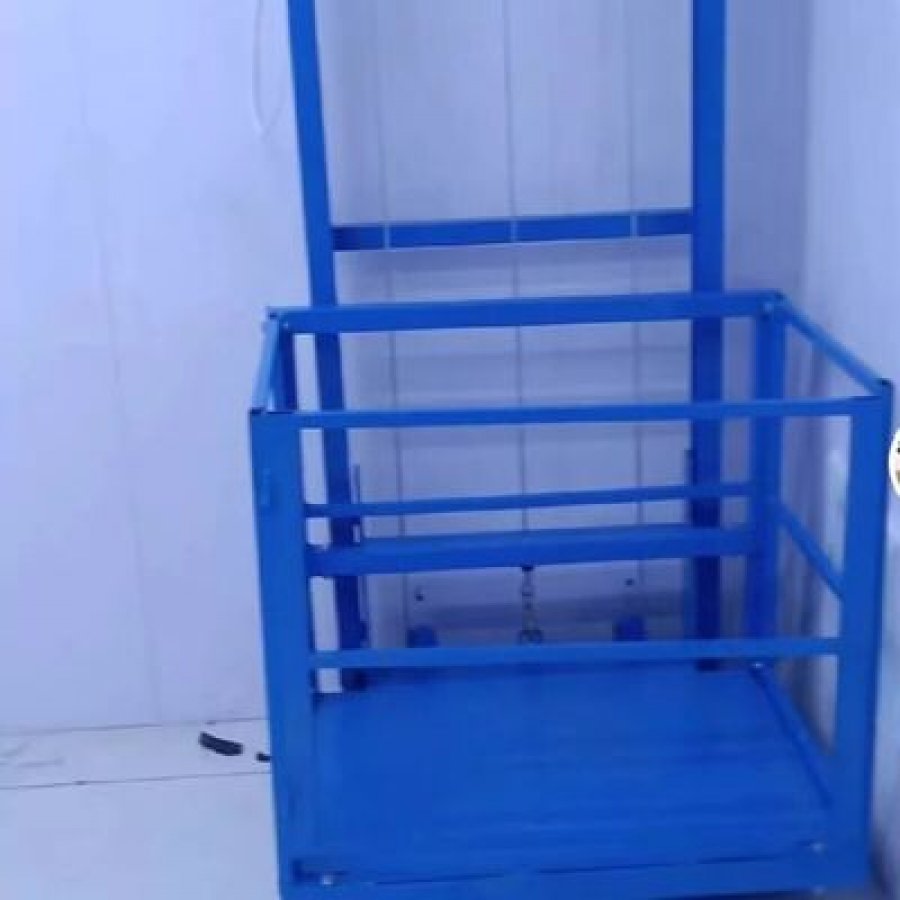
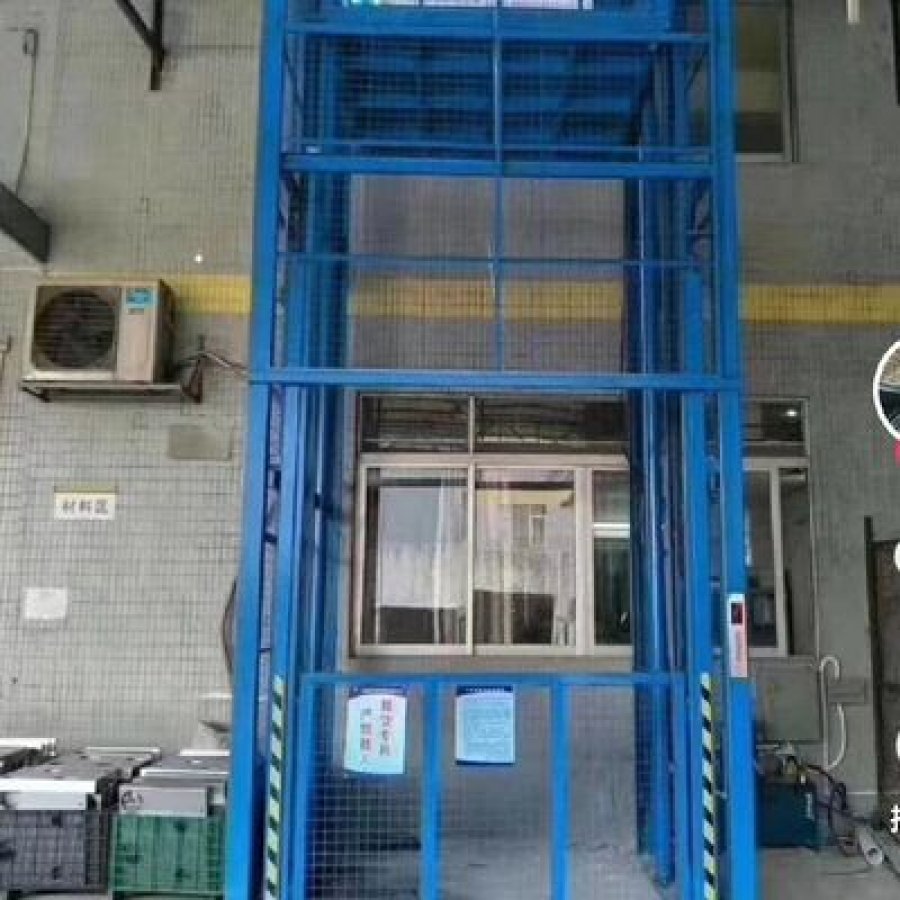
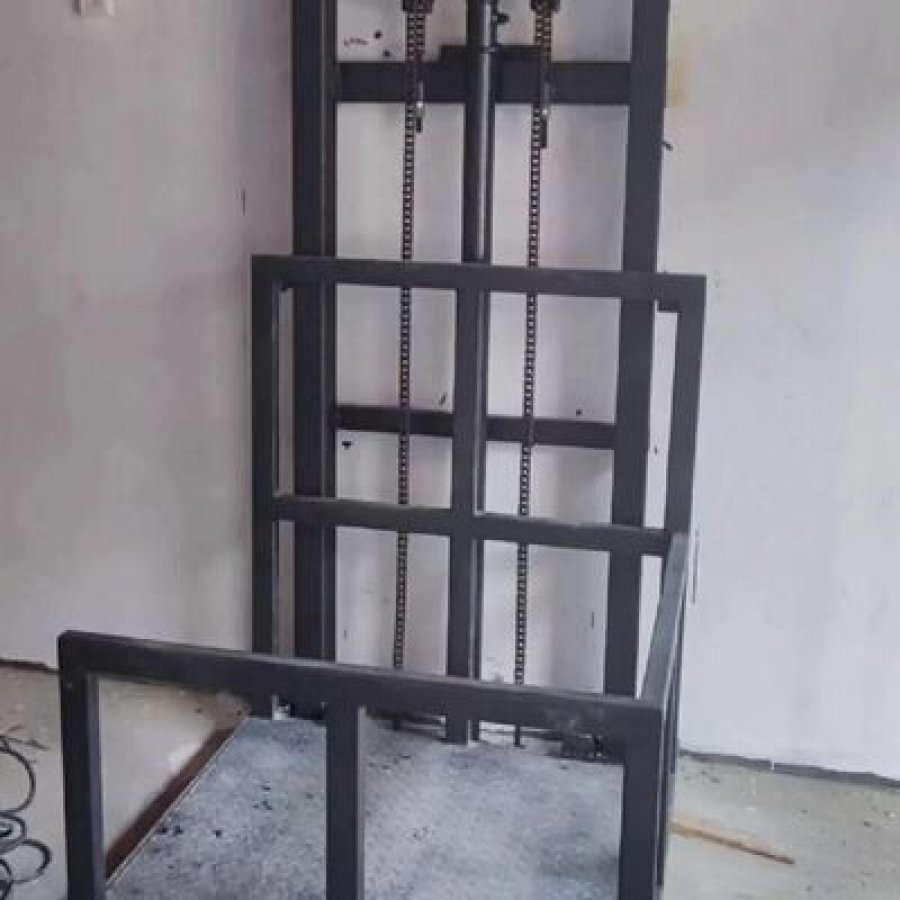
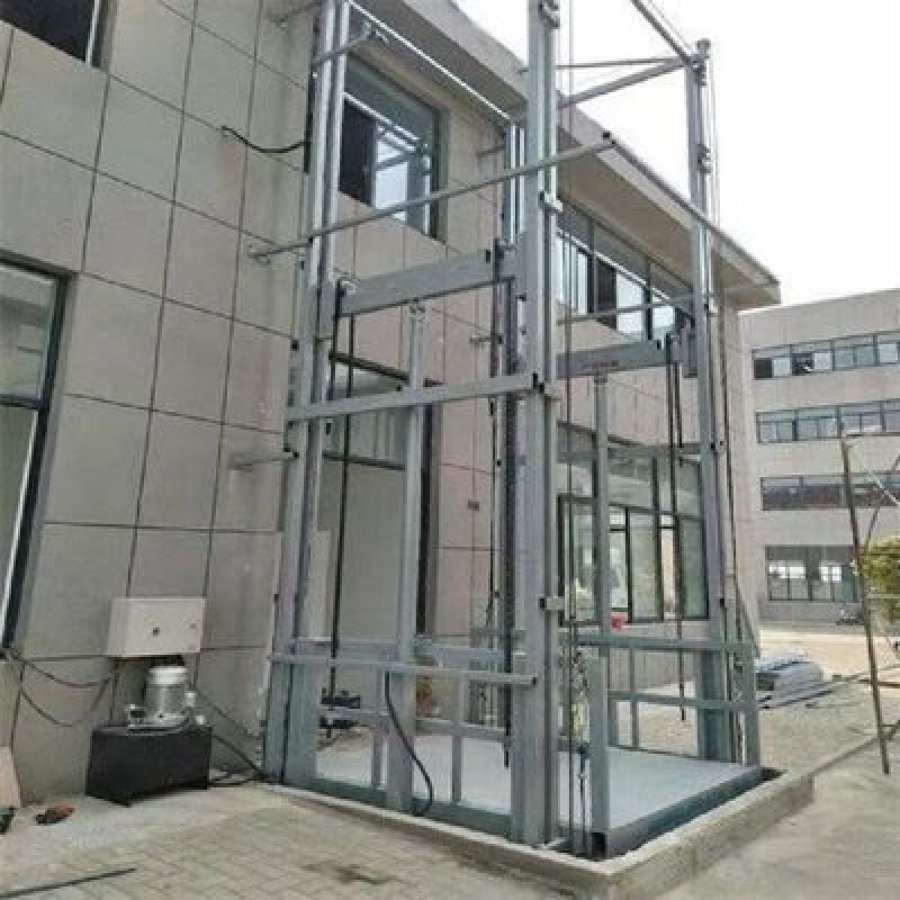
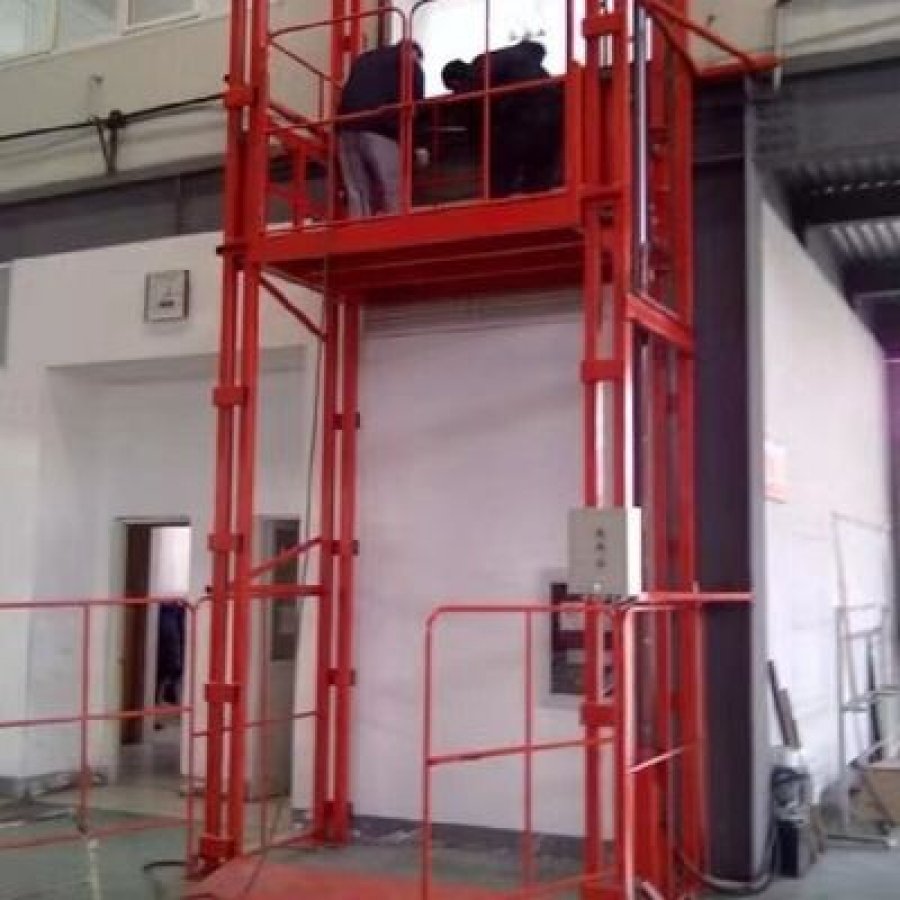
Cargo Lift with Safety Interlock Protection
Product Details:
Brand Name
YIMEISITE
Place of Origin
China
Payment & Shipping Terms:
Minimum Order Quantity
1 set
Price
USD 4,000-10,000 per set
Payment Terms
T/T,L/C
Supply Ability
20 sets per month
Delivery Time
20 working days
Packaging Details
Export non-fumigation wood box
| Load Capacity: | 1-2 Tons | Installation: | Pit Installation Or No Pit Installation |
| Safety Device: | Safety Interlock, Overload Protection, Emergency Stop Button | Power Supply: | 3-phase 380V/50Hz |
| Platform Size: | Customized | Warranty: | 12 Months |
| Lifting Height: | 1-12 Meters | Speed: | 0.05-0.2 M/s |
| Highlight: | safety cargo lift elevator,safety hydraulic freight lift,safety interlock cargo lift elevator | ||
Product Description
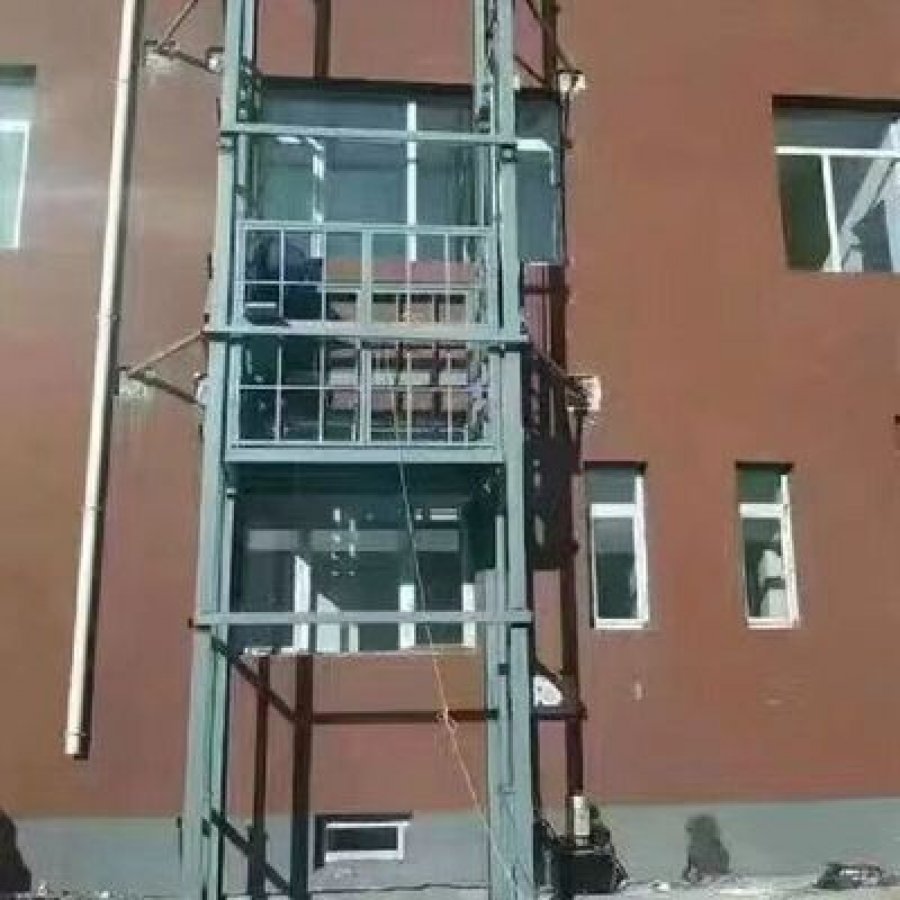
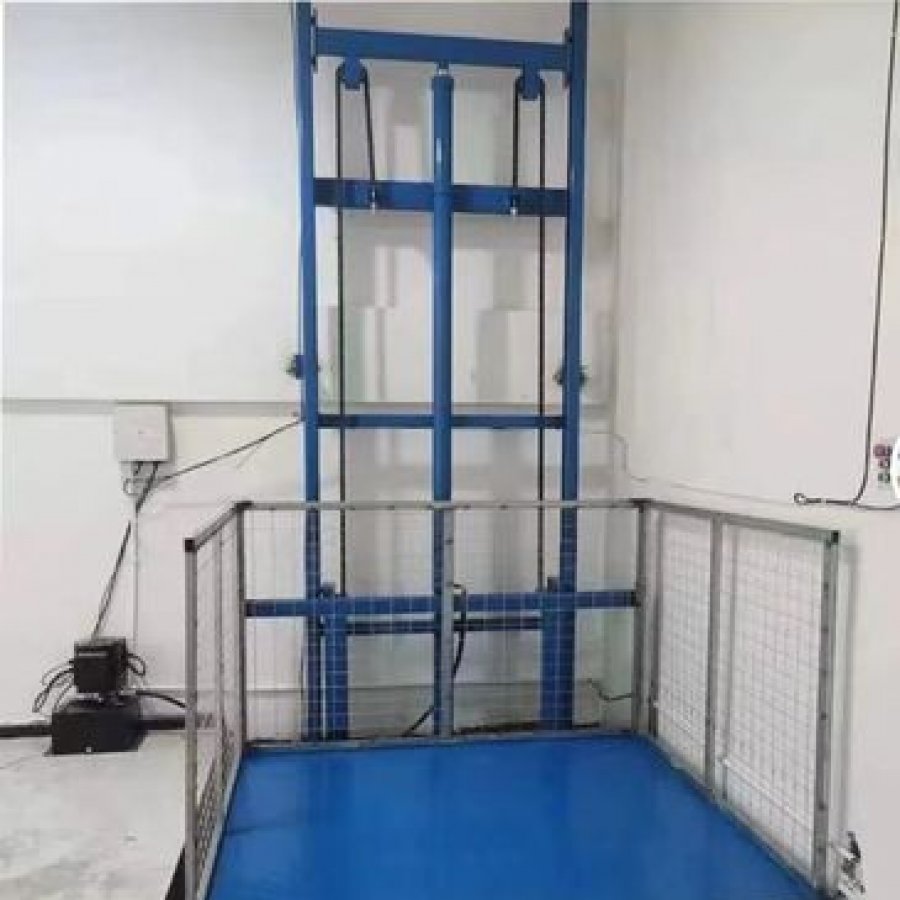
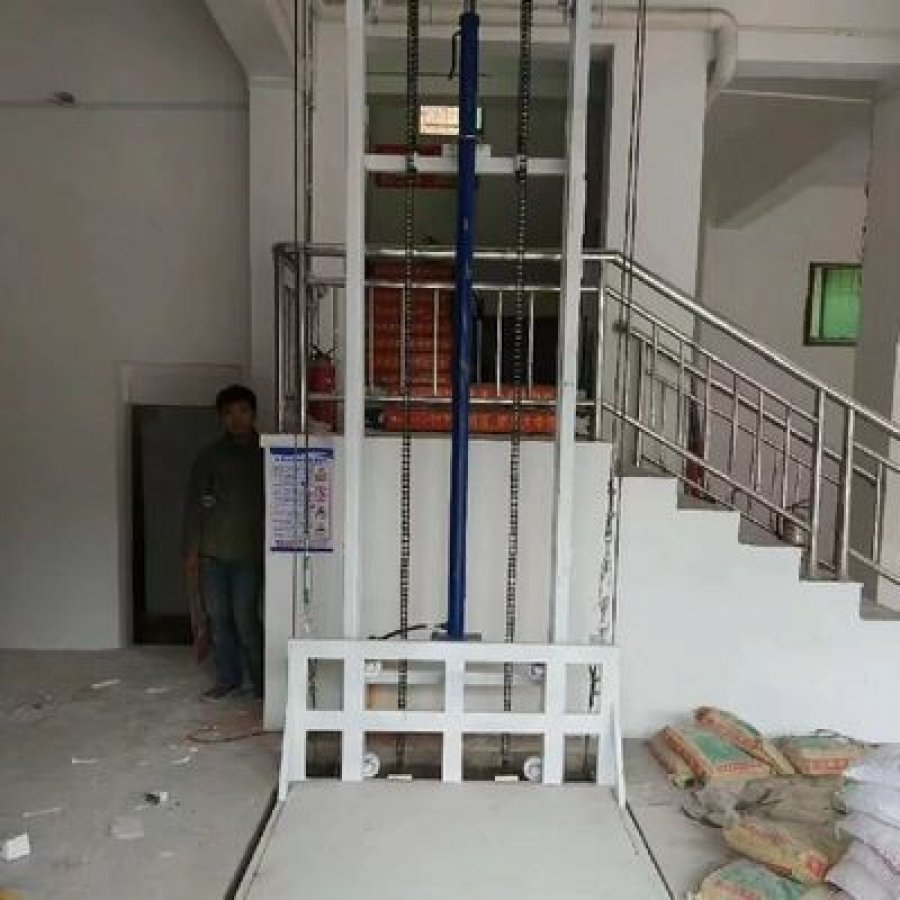
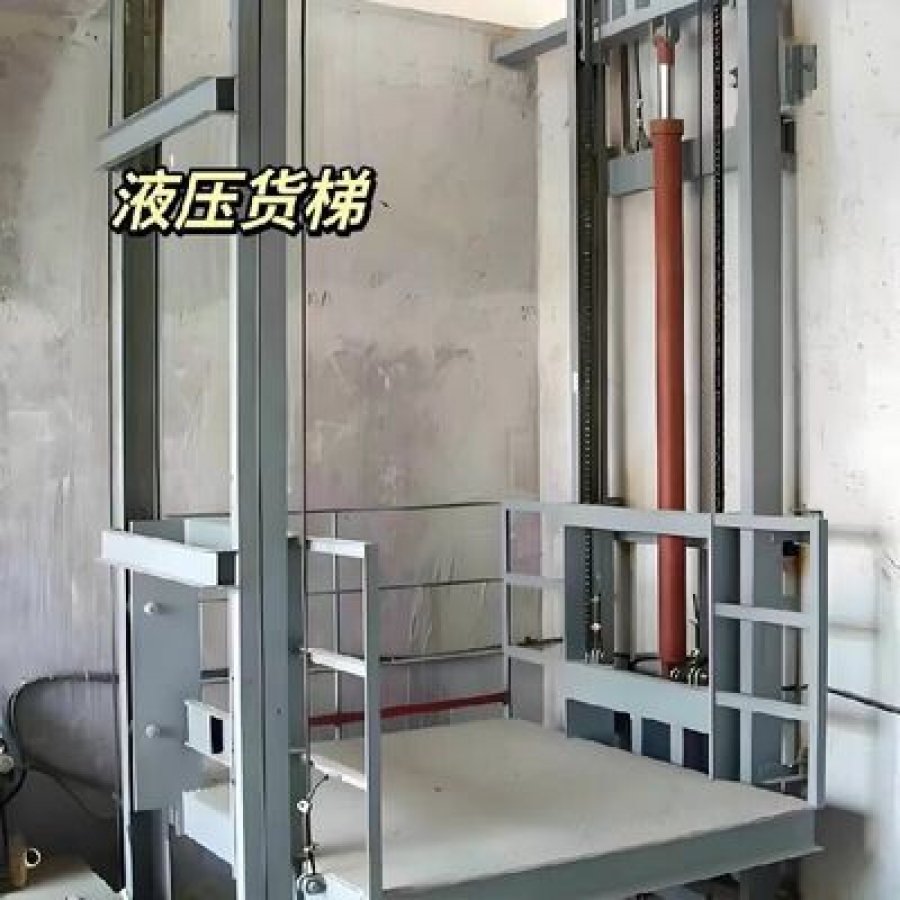
Hydraulic cargo lift · 1–2 t · 1–12 m travel · interlock protection · pit or no pit
A cargo lift whose first job is to refuse to move while the gate is open
This page describes a custom hydraulic cargo lift with safety interlock protection. It is a made-to-order platform rated 1–2 t, lifting 1–12 m at 0.05–0.2 m/s on a 3-phase 380 V / 50 Hz supply. The installation can be in a pit or with no pit, and the platform is guarded by a door interlock, overload protection and an emergency stop button. Those are the figures this page works through.
Most cargo lift pages describe what a lift can carry. The harder half is what stops it: which gate the interlock watches, what happens when a pallet is loaded unevenly, and how the platform meets each landing.
The machine this page describes
The specification block gives a load capacity of 1–2 tons over a lifting height of 1–12 metres, with a platform made to order rather than taken from a size list. The drive is hydraulic, the platform speed sits between 0.05 and 0.2 m/s, and the installation can be in a pit or with no pit. Power is 3-phase 380 V / 50 Hz; the safety package is a safety interlock, overload protection and an emergency stop button; the warranty runs 12 months, in an export-packed non-fumigation wood box.
One thing follows from that list: a made-to-order platform means the platform dimensions are an output of your project rather than an input.
Fit check: three questions, three outcomes
A goods lift goes wrong in a small number of predictable ways, and none of them are about the pump. They are a load that was never weighed, a travel measured from the wrong floor, and a supply assumed rather than checked. Answer the three questions below and the page will say which applies to your site.
1 Is the heaviest thing that will ever travel on the platform inside 1–2 t, and is the travel between 1 m and 12 m?
2 Can the platform meet each landing safely — either with a pit for flush loading, or with a no-pit arrangement and a ramp or bridge where the goods roll on?
3 Is a 380 V, 50 Hz three-phase supply available at the shaft, with room for the power unit and control panel?
All three answers are yes — this is the right class of machine
A hydraulic platform lift with interlock protection is the ordinary answer for loads up to 2 t over a rise inside 12 m. What remains is dimensional: platform size, gate position at each landing, pit or no pit, and the power unit position — all settled on an approval drawing before manufacturing starts.
Three measurements decide this one
This is where most projects land: the shape of the job is right but three figures are still assumptions. Measure the heaviest load that will realistically be carried — not the average pallet, the heaviest one — note the travel between the lowest and highest landing floors, and confirm the supply with an electrician rather than from memory.
This machine is probably not the answer — check the alternatives
Some requirements sit outside a 1–2 t hydraulic platform: loads measured in several tonnes belong to a heavier class of goods lift, and people travelling without goods belong to a passenger lift. Send the site details and we will say which applies instead of stretching this model.
The result changes as you answer. The same three questions are repeated on the printable survey sheet at the end of this page, and nothing is submitted.
Platform size and how the 1–2 t rating is set
The platform on this model is made to order. It is not chosen from a size list and then fitted to your building; it is drawn around the goods you actually move. The rating of 1–2 t sets the ceiling, and everything below it — length, width, gate position, guard height, surface — belongs to your site.
What decides the platform
Three inputs decide the platform, and they arrive in the same order on almost every project. The first is the load itself: weight, but also footprint and centre of gravity, because a stack of sacks and a machine on a steel base of the same weight do not load a platform the same way. The second is how the load arrives: trolley, pallet truck, forklift, rollers or by hand. That sets the platform surface, the guard arrangement at the loading edge and the clear space in front of the platform. The third is the landing geometry: the clear opening at each floor, and the height difference between the parked platform and the landing floor.
That is why this page asks for the load and the handling method before it asks for dimensions. A platform drawn to the wrong handling method is not one that needs adjusting later; it works against the people using it every day.
| What the figure means | Quoted value, in the unit you pick above |
|---|---|
| Lower end of the load band | 1 t (1,000 kg)2,204.6 lb |
| Upper end of the load band | 2 t (2,000 kg)4,409.2 lb |
| Shortest quoted travel | 1 m3.28 ft |
| Longest quoted travel | 12 m39.37 ft |
| Slowest quoted platform speed | 0.05 m/s9.84 ft/min |
| Fastest quoted platform speed | 0.2 m/s39.37 ft/min |
Those are the model's quoted figures converted, nothing more. The rating on the unit you receive is the rating that governs it, stated on the order confirmation and the nameplate; where two numbers disagree, those two win.
Choosing inside the band
Inside a 1–2 t band the choice is not simply “take the top figure”. Rating the platform higher than necessary costs more in structure and hydraulics for no benefit; rating it at the exact daily load leaves no margin for the day a heavier pallet arrives. The working rule is to rate against the heaviest realistic load and write that figure down at the enquiry stage — a duty that exists only in someone's head cannot be designed against. Distribution matters too: a long platform carrying a load at one end loads the structure differently from a compact one carrying the same weight centrally, which is why a platform is drawn rather than picked.
What the safety interlock actually prevents
Interlock protection is the reason a goods lift can be trusted with people standing near it. The device is unglamorous: a switch or set of switches tying the position of a gate to the control circuit. What matters is the logic it enforces. That logic stops the two accidents a goods lift can cause — a platform moving while someone stands at the loading edge, and a load shifting because the platform started while the goods were still being placed.
The interlock is not a sensor watching the platform. It watches the gates, and if the condition it monitors is not satisfied the drive does not start. On this model the safety package is a safety interlock, overload protection and an emergency stop button, and none of the three depends on the control panel being in a good mood.
Interlock sequence, step by step
The sequence below is the chain of conditions that has to hold before the platform moves. The exact wiring follows the schematic supplied with your unit and is verified at commissioning against the checklist underneath it.
-
Every gate is closed and the interlock confirms it
Each landing gate carries its own interlock contact. The control circuit is only armed when the gate at the landing being served — and any guards around the platform — report closed. A gate open, unlatched or jammed part-way reads to the circuit as a gate never fitted.
-
The platform is asked to move
A command is given from the landing or from a platform station, depending on your layout, and is only accepted while the interlock chain is intact. A command from a landing whose gate is open is refused rather than delayed.
-
The load is checked against the rating
Overload protection reads the load on the platform. Inside the 1–2 t rating the run proceeds; beyond it the unit refuses to start, and on some layouts stops and holds until the excess is removed.
-
The run continues only while the chain holds
If an interlock contact opens during travel — a gate disturbed, a latch given, a guard pushed — the drive is taken out of service and the platform stops. This is what keeps a person at the loading edge out of the moving zone.
-
The emergency stop is separate from all of it
The emergency stop removes the drive from service regardless of what the control circuit believes — the one device expected to work after something else has failed, so it is mounted where it can be reached from outside the platform.
Checking it rather than assuming it
An interlock is only as good as its adjustment, which is what a commissioning visit exists to carry out. The list below is what should be confirmed item by item, with the unit powered and the people who will use it present.
Interlock and safety checks at commissioning
Checked at handover: 0 of 7
One habit decides how long this protection lasts. Interlocks are defeated for the same reason every time: someone wants to load a pallet that will not pass a closed gate, or to nudge the platform because the run is short. Both are solvable at the design stage.
What a 1–12 m travel asks of the building
The travel on this model is quoted as 1–12 m, between the lowest landing the platform serves and the highest: one metre is a short transfer between two levels, twelve metres is roughly four storeys. Where you sit in that range decides how much of the work belongs to the building.
Three things to establish before a drawing is made
The three checks below are the ones most often assumed rather than established, and none needs specialist equipment.
1. The travel itself
Measure between the finished floor at the lowest landing and the finished floor at the highest — not between slabs. Count the landings in between: every one is an opening and a gate, and the pattern decides where the structure can be fixed.
2. What carries the load
A hydraulic platform pushes and pulls against the structure around it. Say whether the sides of the run are load-bearing walls, a steel frame, a slab edge or a light partition: that decides how the unit is anchored and whether strengthening is needed first.
3. How the run is enclosed
An enclosed shaft, an open side with guard panels, and an outdoor run each ask for different gates, guards and finishes. Establish which applies, and whether any part is exposed to weather.
The words on this diagram
Travel
The distance the platform moves, between the lowest and highest landing it serves. On this model that range is 1–12 m, built from floor-to-floor heights rather than from the height of the building.
Pit
A recess below the lowest landing that lets the platform sit flush when parked — what makes pallet trucks and trolleys roll on and off without a step. Pit depth is a project figure and appears on the approval drawing.
Loading edge
The junction between the parked platform and the landing floor: the height difference a trolley crosses and the gap it bridges, measured on site because it decides how the goods are handled every day.
Guide rails
Vertical members keeping the platform on its line through the whole travel. They carry sideways forces as well as guiding, so what they are fixed to is part of the structural question.
Hydraulic power unit
Pump, tank and motor form the assembly that drives the platform through the cylinder. It needs a position with access for maintenance, and its 3-phase 380 V / 50 Hz supply requirement shapes the electrical works.
Safety interlock
The switch arrangement tying each gate to the control circuit, so the platform cannot be commanded while a gate is open and stops if a gate is disturbed during travel. One of three safety devices on this model, with overload protection and the emergency stop.
Two definitions are worth carrying into the site visit: travel, measured between finished floors rather than between slabs, and the loading edge, the one dimension the people using the lift will notice every day. Tap or focus a blue marker above to read a definition in place.
Power supply and the pit decision
Two conditions shape a project more than any other, and both are often discovered late: the electrical supply at the shaft, and whether the base can take a pit. Getting them wrong does not make a cargo lift impossible, it makes it more expensive, because both become building work rather than equipment work.
The supply
This model is quoted for a 3-phase 380 V / 50 Hz supply, the arrangement a hydraulic power unit of this class is built to work from. What matters on site is the supply that can be brought to the power unit, rather than the supply in the building as a whole. That means a spare three-phase way in the board near the shaft, a cable route, and an isolator within sight of the unit so it can be locked off.
If three-phase is already at the shaft
- Confirm the supply is 380 V, 50 Hz, three-phase and the board has capacity for the unit.
- Agree the cable route to the power unit and who is responsible for it.
- Fit a lockable isolator within sight of the power unit.
- Note the conditions where the unit will stand: a wet or dirty corner changes the enclosure.
With those four points confirmed, the electrical side of the installation is a connection rather than a project.
If the site has no three-phase supply
- The specification for this model is three-phase; a single-phase supply is not part of it, and this page will not pretend otherwise.
- The usual answer is to bring three-phase to the shaft, which is an electrician's scope and a decision for the site.
- Send what is available — single phase, a different voltage, a generator, or a board with spare ways — and an engineer answers the supply question against your site.
- If the supply cannot change, say so early: it changes which equipment suits the project.
Ask our engineers before designing the electrical works around an assumption.
A useful habit when the supply is uncertain: photograph the board, the cable route and the proposed position of the power unit. A board with spare ways is a short conversation; no spare capacity is a different project, better known before drawings are made.
The base
The model can be installed in a pit or with no pit, and the choice follows the loading at the lowest landing rather than preference. Neither is better in the abstract; they solve different site conditions.
Choose a pit when goods roll on and off
- Pallet trucks, trolleys and containers cross the loading edge on wheels, so a flush platform means no step and no lifting at the bottom landing.
- The recess keeps the floor clear when the lift is parked.
- The cost is building work: a recess formed or cut, drained and finished, before installation.
Best value on a new building, where the recess is formed with the floor rather than cut into it afterwards.
Choose no pit when the floor stays as it is
- The fastest route on an existing building: no cutting, no drainage, no waterproofing.
- Goods cross a short bridge or ramp rather than landing flush.
- It suits goods carried or rolled on by hand, where wheeled access is not needed.
Best value on a retrofit, where the floor and the drainage below it must not be disturbed.
Whichever base you have, two facts decide the detail: how the lowest landing is used and what the floor is made of. A ground-bearing slab and a suspended slab ask for different arrangements, and services beneath the floor can rule a pit out entirely — which is why the pit question is answered with a drawing rather than a preference.
How the goods arrive decides the platform
Loading method is the most under-specified part of a goods lift enquiry and one of the most expensive to change later. A platform loaded by hand and one loaded by a pallet truck can carry the same weight and still need different edges, guards and surfaces.
By hand, in stages
Cartons, sacks, tiles, spares and tools carried on and off in several trips. The platform is loaded evenly by nature and the edge is walked across rather than driven across, so the practical questions are guard height and surface finish.
On wheels: trolley or pallet truck
This is the case that makes a pit or a bridge necessary, because a wheeled load has to cross the loading edge without a step it cannot climb. The gate opening has to pass the truck and its load, and the platform has to let the whole unit stand on it without overhanging the edge.
Driven on: forklift or powered truck
The heaviest case: the load on the platform becomes the goods plus the truck, and the truck arrives with momentum. Whether a truck can be driven on at all depends on the platform size, the clear gate opening and the level arrangement at that landing, and it has to be designed rather than assumed.
What the loading method changes
Three parts of the installation move with the loading method, and changing any of them after the unit is built is impossible or expensive.
The platform surface and edge. A surface walked on is specified for grip and cleanliness; a surface driven on is specified for wheel loading and the load concentration under a wheel. The edge detail where the platform meets the landing follows the same decision.
The clear opening through the gate. This one dimension decides whether a loaded pallet truck can pass, and it is measured with the gate open rather than by the width of the leaf. It costs very little at the drawing stage and cannot be created later without new gates.
Two figures to settle before ordering
Rated load, restated. With a driven-on truck the figure that matters is the truck and its load together. If the goods are close to 2 t, the truck case can push the requirement outside this model's rating — better discovered in the enquiry than on site.
Loading case: what to check with the site
Confirmed on site: 0 of 7
One practical note on outdoor runs, which come up regularly on this model: an exposed run affects the platform surface, the guards and the finishes. Mention it in the enquiry and those parts are specified for it.
From survey to a working lift
The sequence below is the ordinary route for this model, from the first measurement to the day the interlock checks are signed off. It is written in this order deliberately: on a made-to-order platform, the work before manufacture decides whether the work after delivery goes smoothly.
-
Survey and approval drawing
The site measurements come in — travel, landings, clear openings, base arrangement and supply — and go back out as a drawing showing the platform, the run, the gate positions, the base detail and the power unit position. Nothing is manufactured until that drawing is agreed.
-
Manufacture and factory check
Each unit is built to the approved drawing, assembled and function-checked before packing, with the interlock and overload devices set and tested at the factory. Supply ability is 20 sets per month and the quoted delivery time is 20 working days from the agreed drawing.
-
Packing and delivery
The unit ships as an export-packed set in a non-fumigation wood box, the packing most destination ports accept without an extra fumigation step. Contents are listed against the packing list, and the set arrives as components to be assembled.
-
Mechanical installation
Base first — the pit formed or cut, or the floor-level arrangement set out — then the guide rails, cylinder, platform and gates go in, anchored to whatever was identified at survey as carrying the load. This stage is the most sensitive to the site being ready: a base that is not finished stops the work that follows.
-
Electrical connection and interlock commissioning
The 3-phase 380 V / 50 Hz supply is connected through a lockable isolator. Then every gate interlock, the overload setting and the emergency stop are tested individually and together — the commissioning checklist in the safety section, worked through item by item.
-
Load test and handover
The unit is run with a known load at the working landings, and the platform-to-landing situation at each level is checked. The documentation is handed over too: the drawing set, the electrical schematic, the maintenance routine and the recorded interlock and overload settings. The 12-month warranty runs from commissioning.
What goes wrong is rarely mechanical: a base not finished on the agreed day, a supply not yet at the shaft, or a gate arrangement changed after manufacture. Each is cheap to settle before the order and expensive to settle after, which is why this page spends its time on the questions rather than on the equipment.
Handover, warranty and the routine behind it
A goods lift is handed over twice: once as equipment, and once as part of the building's daily routine. The second handover is the reason the 12-month warranty means something. A warranty covers the equipment supplied — not a lift run for a year with a gate that never latched properly and an interlock someone defeated to save a minute.
What good handover looks like
The handover file should contain the approved drawing set, the electrical schematic, the interlock and overload settings recorded at commissioning, the load test result and a maintenance routine for your duty. Together they answer the questions that come up in year two: what the platform was rated for, how the interlock was set, and what a service visit covers.
Daily: the operator's glance
Before the first load of the day: the gate latches, the loading edge is clear, the platform is not obstructed, and nothing is stacked against a landing gate. It takes seconds and catches the failures that matter.
Periodic: the service points
The mechanical routine covers the gates and their interlocks, the guide rails and their fixings, the platform structure and anchors, the hydraulic power unit and its oil level, and the base arrangement. The order matters less than the record: each point written down, each visit dated.
The interval belongs to your duty
No service interval is fixed in the specification, because duty decides it: a lift used twice a week and one used continuously in a distribution hub do not want the same routine. Agree the interval at handover with the people who will use the equipment, and write it into the file.
Wear items and warranty
The warranty covers the equipment supplied for 12 months from commissioning. Wear items — parts consumed by use — are replaced during service rather than covered by it. Knowing which parts those are before the first service removes the only real argument about warranty.
The two failures worth designing out
Two things shorten the life of a goods lift in practice. The first is an interlock adjusted rather than repaired: a gate that no longer latches cleanly gets wedged, and a wedged gate is the beginning of the end of the protection. The second is overload protection treated as an annoyance, with the load pushed past the rating because the pallet was nearly empty.
Both are behaviours, and both are easier to prevent than to fix, which is why the commissioning checklist includes showing operators what they must never do. A short maintenance log then pays for itself: if the same gate keeps appearing, it points at a platform position or a working practice that can be designed out rather than a component to be serviced forever.
Choosing between this lift and the alternatives
The machines below overlap in appearance and differ in what they are for. Each is a real product in this range, and the honest way to choose is to start from the load rather than from the price of the platform.
| Option | What it is for | Load and travel | Where it stops being the answer |
|---|---|---|---|
| This page: custom hydraulic cargo lift with interlock protection | Goods only, on a made-to-order platform, in a small commercial unit, a workshop, a stockroom or a house moving goods between levels | 1–2 t over 1–12 m, at 0.05–0.2 m/s, pit or no pit, 3-phase 380 V / 50 Hz | When the load is measured in several tonnes, or when people have to travel on it as passengers |
| Hydraulic cargo lift with PLC control | The same class of goods duty where the control arrangement, not the platform, is the deciding factor | 1–2 ton class, pit or no pit, controlled from a panel | When the platform has to be drawn around an unusual load footprint, which is what the model on this page is for |
| Residential cargo lift, custom 1-12 m | A house or villa moving heavy domestic goods — furniture, appliances, fuel, feed — between floors | Domestic goods duty, travel within the same 1–12 m band | When the traffic becomes commercial: staff, pallets and a daily throughput |
| A passenger lift | People, with or without goods, which brings its own door, car and safety requirements | Designed around persons rather than tonnes; not a substitute for a goods platform | When the load is goods rather than people — a passenger car is the wrong place for a pallet |
How to read that table on a real project
Start with the load and let the rest follow. If the heaviest load is inside 1–2 t and the rise is inside 12 m, this class of machine is in play and the deciding questions become the platform, the gate and the base. If the thing being moved is a person, the equipment is a different category with different door and car requirements, and no amount of platform specification turns a goods lift into a passenger lift.
Between the goods solutions the differences are narrower, and they come down to what is moved and who moves it. A domestic arrangement and a commercial one can share a load band and still differ in platform surface, guard arrangement and how often the lift runs. Where the choice is genuinely close, send the load, the travel and the loading method: those three lines usually separate the options immediately. If the run is outdoors, the goods are wet or dusty, or the load has an unusual footprint, say so at the enquiry — those are the cases where a made-to-order platform earns its cost.
Questions that come up before an order
The questions buyers ask about this model, answered from its own specification and its own supply terms rather than from the category in general.
How much can it lift, and does the truck count towards that?
The quoted capacity is 1–2 t. If goods are driven on by a forklift or powered truck, the load on the platform is the goods plus the truck, and the combined figure has to sit inside the rating. This is why the loading method is asked for at the enquiry: a 1.5 t load driven on is not the same requirement as the same load placed by hand.
How high can it travel?
The lifting height is quoted as 1–12 m, between the lowest and the highest landing the platform serves: one metre is a transfer between two levels, twelve metres is roughly four storeys. Travel is counted in floor-to-floor heights rather than in the height of the building.
Does it need a pit?
No. This model can be installed in a pit or with no pit. A pit lets the platform sit flush with the lowest landing, which is what wheeled loads need, and is cheapest when the recess is formed with a new floor. A no-pit installation avoids cutting the floor — usually the faster route on an existing building.
What power supply does it need?
3-phase 380 V / 50 Hz. The useful checks on site are whether the board near the shaft has capacity for the unit, what the cable route looks like, and whether a lockable isolator can be fitted within sight of the power unit. A site with only a single-phase supply is outside this model's specification, and the question is answered by an engineer against your site rather than by a workaround.
How is the platform size decided?
The platform is made to order, and three things decide it: the heaviest load and its footprint, how the load arrives on and off the platform, and the clear opening at each landing. The size follows from those three answers and shows on the approval drawing — a long crate and a stacked pallet of the same weight want different platforms.
What happens while a gate is open?
The platform cannot be commanded to move. Each landing gate carries its own interlock contact and the control circuit is only armed while the gates report closed; if a gate is opened or disturbed during travel, the drive is taken out of service and the platform stops. The behaviour is tested gate by gate at commissioning.
What happens if the platform is overloaded?
Overload protection reads the load and refuses to start the run when it exceeds the rating; on some layouts the unit stops and holds until the excess is removed. A refused start is the device working, not a fault to be reset and ignored. If the same load is refused repeatedly, the duty has outgrown the rating and the answer is a different machine, not a changed setting.
Can people travel on it?
No. This is a goods platform: the safety arrangement is built around gates and the loading edge rather than around carrying people. Where people need to travel between levels, the equipment is a passenger lift with its own car, doors and requirements, and we will say so rather than adapt this model to a duty it is not designed for.
How long is delivery, and what does the warranty cover?
The quoted delivery time is 20 working days from the agreed approval drawing, and supply ability is 20 sets per month. The warranty is 12 months from commissioning and covers the equipment supplied; supply terms, minimum order and payment terms sit in the specification block at the top of this page.
What to send for a quotation
A quotation for a made-to-order platform is only as firm as the information behind it. Send the items below and the reply can be a specification with a price rather than a range with conditions.
Enquiry checklist
Ready to send: 0 of 10
The count above is for your own file; nothing on this page is sent anywhere. The commercial terms for this model — minimum order, price band, payment terms, supply ability, delivery time and packing — sit in the specification block at the top of this page, where they are maintained in one place.
Quick unit converter for drawings and load sheets
=
=
=
Reference points from this model's figures: 1–2 t is about 2,205–4,409 lb, 1–12 m is about 3.28–39.37 ft, and 0.05–0.2 m/s is about 9.84–39.37 ft/min.
What happens after you send the measurements
The travel is checked against the 1–12 m range and the load against the 1–2 t rating, including the handling method. The base is checked against the pit or no-pit options, and the site supply against the 3-phase 380 V / 50 Hz requirement. What comes back is a drawing showing the platform, the run, the gates, the base detail and the power unit position, with commercial terms and the delivery time from the approved drawing. Sign that drawing and the order goes into production — it is the document the platform is built to.
Delivery and support cover a wide spread of markets, with design, shipping, installation and after-sales arranged per project rather than sold as a fixed package. Send the destination port with the measurements and those arrangements join the same reply.
Send the load, the travel and the loading method
Three lines are enough to start: we will check them against the 1–2 t rating, the 1–12 m travel and the 3-phase supply, then come back with a platform drawing and a firm proposal.
Printable site survey sheet
The sheet below is the short version of what this page asks you to establish before an order is placed: the load, the travel, the base, the supply and the way goods arrive. Print it, fill it in on site and send it with the photographs.
Site survey sheet — custom hydraulic cargo lift, 1–2 t, 1–12 m
Photograph the run from the lowest landing upwards, and photograph the distribution board and the base at the lowest landing. Only ticked items are counted; nothing is transmitted from this page.
Completed: 0 of 10
What this page cannot answer for you
Four things belong to your project rather than the model: the platform size for your goods, the base detail for your floor, the pit depth or bridge arrangement at the lowest landing, and the local inspection route. All are settled with drawings, and all are cheaper to settle before manufacture.
Send the survey sheet and we will answer against your building rather than against a generic case.
Related reading in this range
The hydraulic cargo elevator range collects the goods models in one place. If the deciding factor is the control arrangement rather than the platform, the 1–2 ton hydraulic cargo lift with PLC control is the closer comparison. If the goods are domestic and the traffic is a household rather than a business, the residential cargo lift for home freight is the better start.
Keep this sheet with the run drawings. If a measurement changes after the survey — a floor level, a clear opening, the base — tell us before production starts. The approval drawing is the document the platform is built to.
Want to Know more details about this product
Similar Products